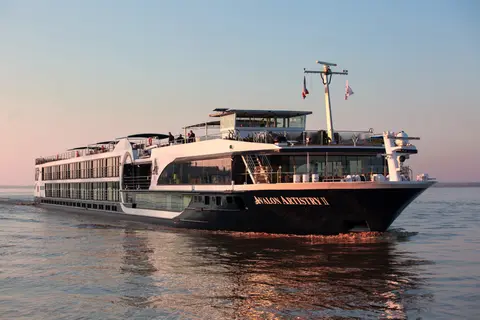
Avalon Waterways70509
Bonjour Bordeaux: Chateaux, Wineries & Charming Villages with 2 Nights in Paris
Date
2027-05-09
Duration
7 nights
Departure Port
Paris
France
Arrival Port
Bordeaux
France
Rating
Luxury
Theme
History & Culture
Date
2027-05-09
Duration
7 nights
Departure Port
Paris
France
Arrival Port
Bordeaux
France
Rating
Luxury
Theme
History & Culture


Avalon Waterways
Suite Ship
2013
2025
2,022 GT
130
64
37
361 m
12 m
13 knots
No
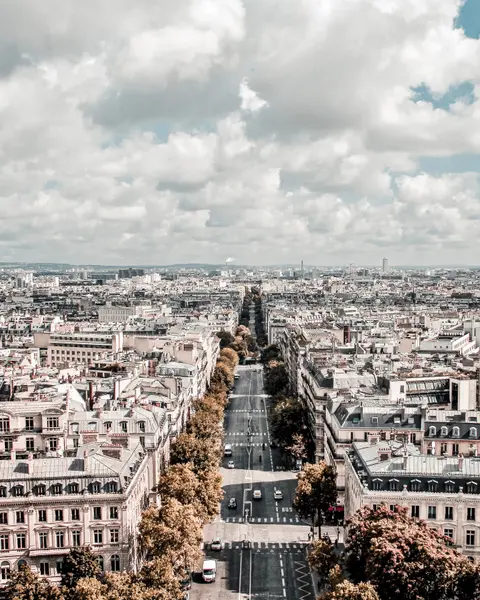
Paris rewards every arrival as though it were the first — the sweep of the Seine, the Gothic tracery of Notre-Dame rising again from its 2019 ashes, the Eiffel Tower somehow managing to astonish at each encounter, the Louvre's glass pyramid reflecting clouds in the courtyard of a palace that served French kings for four centuries. Beyond the monuments, Paris is a city of neighbourhoods: the Belle Époque brasseries of Montparnasse, the covered passages of the 2nd arrondissement, the rooftop terraces of Le Marais. The Luxembourg Gardens in April, or a late-September evening on the Canal Saint-Martin, are among the most civilised experiences in the world.
Paris rewards every arrival as though it were the first — the sweep of the Seine, the Gothic tracery of Notre-Dame rising again from its 2019 ashes, the Eiffel Tower somehow managing to astonish at each encounter, the Louvre's glass pyramid reflecting clouds in the courtyard of a palace that served French kings for four centuries. Beyond the monuments, Paris is a city of neighbourhoods: the Belle Époque brasseries of Montparnasse, the covered passages of the 2nd arrondissement, the rooftop terraces of Le Marais. The Luxembourg Gardens in April, or a late-September evening on the Canal Saint-Martin, are among the most civilised experiences in the world.
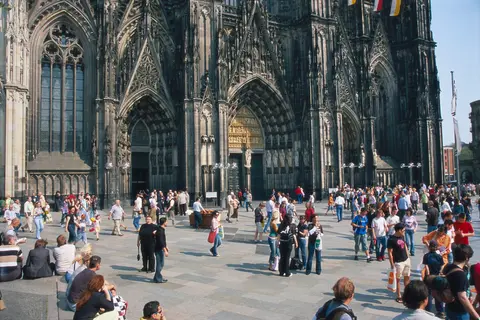
Cologne's twin-spired Gothic cathedral, six hundred years in the building and still the city's defining monument, is the inevitable starting point — but this ancient Rhine city rewards exploration well beyond its iconic silhouette. The Romano-Germanic Museum reveals the city's Roman foundations, while the Chocolate Museum on the riverbank offers a distinctly sweeter history lesson. Cologne's famed Kölsch beer culture thrives in the old town's traditional brew-houses, where one round follows another in centuries-old wooden halls. The city is welcoming year-round, though the legendary Christmas markets (November–December) attract visitors from across Europe.
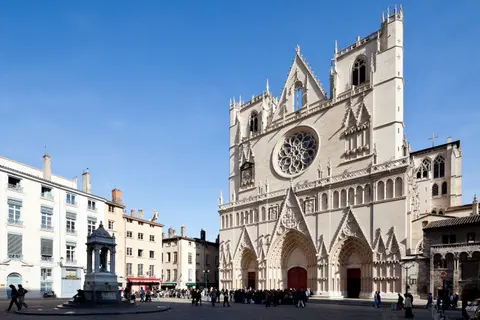
Lyon sits at the confluence of the Rhône and the Saône — a geographic destiny that made it the capital of Roman Gaul, a Renaissance silk-trading powerhouse, and, by contemporary consensus, the undisputed gastronomic capital of France. The UNESCO-listed Vieux Lyon preserves Europe's finest concentration of Renaissance architecture, its labyrinthine traboules — secret passageways threading through courtyard after courtyard — offering endless discovery. Paul Bocuse's legacy lives on in the city's constellation of bouchons, where quenelles de brochet and tablier de sapeur are served with the straightforward confidence of a city that has never needed to prove its culinary supremacy. Lyon rewards a visit in any season, with the Festival of Lights in December being particularly magical.
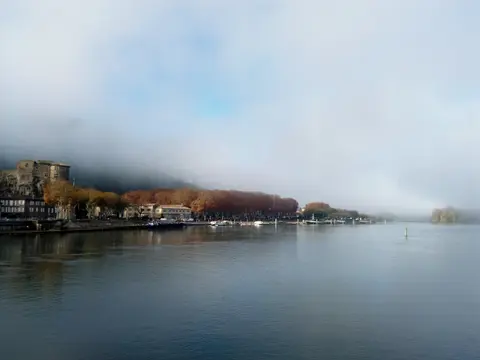
Tournon-sur-Rhône is a captivating port town steeped in history, known for its medieval architecture and vibrant culinary scene. Must-do experiences include savoring local specialties such as caillettes and exploring the bustling Saturday market. The best time to visit is in the late spring or early fall when the weather is mild and the local festivities are in full swing.
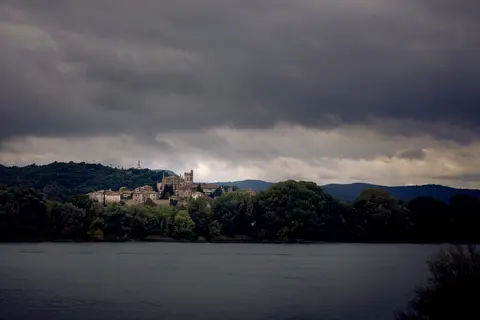
Viviers is one of France's most beautifully preserved medieval secrets — a cathedral town of barely four thousand souls perched on a limestone spur above the Rhône, serving as an episcopal seat since the fifth century when its bishops chose this formidable rock over the declining Roman city below. The Romanesque bell tower, vaulted passageways, and Renaissance townhouses of the haute ville form an ensemble of extraordinary architectural coherence, virtually unaltered since the seventeenth century. River cruise guests arriving from Lyon or Avignon typically spend languid afternoons exploring these narrow, time-suspended streets, best visited in spring or early autumn when Rhône Valley light is at its most golden.
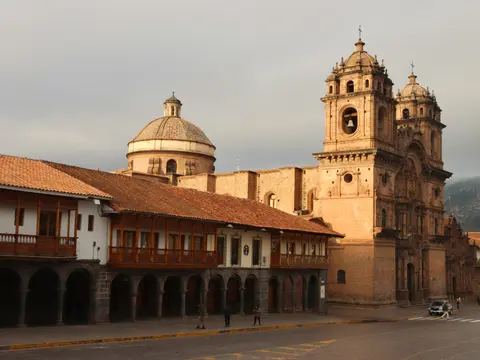
Cusco is the former Inca capital at 3,399 meters in the Peruvian Andes, where precisely fitted Inca stonework supports Spanish colonial churches in a city that is the gateway to Machu Picchu and one of South America's most exciting culinary destinations. Must-dos include exploring the Plaza de Armas and its twin cathedrals, visiting Sacsayhuamán fortress, and dining on cuy and alpaca with Andean superfoods. Visit May to October for dry weather, with June for the Inti Raymi festival.
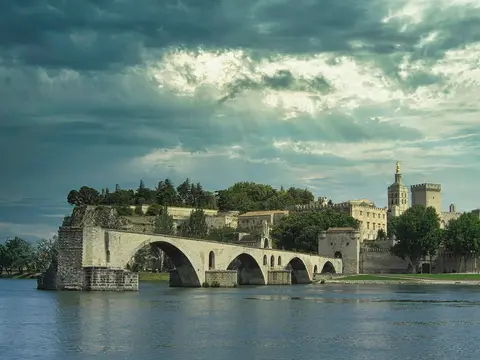
Avignon's Palais des Papes — a fortress-palace of staggering medieval ambition where seven successive popes held court for seventy years — still dominates this Provençal city's skyline, its limestone bulk enclosing frescoed chapels and vast ceremonial halls that once shaped the destiny of Christendom. In July, the city transforms for the celebrated Festival d'Avignon, Europe's premier theatre gathering, turning every courtyard and cloister into a stage. Year-round, the beautifully preserved historic centre offers world-class Rhône Valley wines, refined Provençal cuisine, and the beguiling spectacle of the Pont Saint-Bénézet stretching halfway across the river. Lyon and Marseille are each accessible in under ninety minutes by TGV.
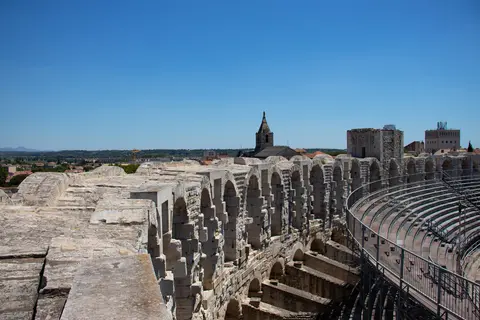
Arles, the most important city in Roman Gaul after Lyon, wears its history with casual magnificence: a first-century amphitheatre still hosts bullfights beneath open skies, and the haunting Alyscamps necropolis — once among the most prestigious burial grounds in the Western world — lines a poplar-shaded avenue with ancient sarcophagi. Yet Arles is equally celebrated as the city that intoxicated Vincent van Gogh, who produced over three hundred works here in fifteen fevered months; the Fondation Vincent van Gogh now honors his legacy in beautifully renovated rooms. Spring and autumn are ideal, with the Camargue's flamingo-filled wetlands just minutes south. Lyon is two hours north by TGV.
Day 1
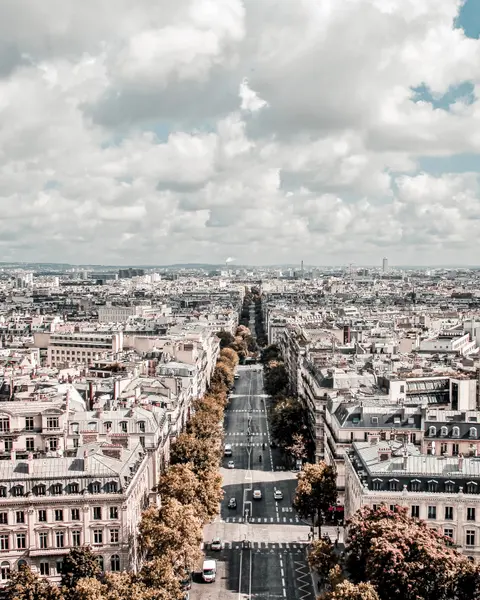
Paris rewards every arrival as though it were the first — the sweep of the Seine, the Gothic tracery of Notre-Dame rising again from its 2019 ashes, the Eiffel Tower somehow managing to astonish at each encounter, the Louvre's glass pyramid reflecting clouds in the courtyard of a palace that served French kings for four centuries. Beyond the monuments, Paris is a city of neighbourhoods: the Belle Époque brasseries of Montparnasse, the covered passages of the 2nd arrondissement, the rooftop terraces of Le Marais. The Luxembourg Gardens in April, or a late-September evening on the Canal Saint-Martin, are among the most civilised experiences in the world.
Day 3
Paris rewards every arrival as though it were the first — the sweep of the Seine, the Gothic tracery of Notre-Dame rising again from its 2019 ashes, the Eiffel Tower somehow managing to astonish at each encounter, the Louvre's glass pyramid reflecting clouds in the courtyard of a palace that served French kings for four centuries. Beyond the monuments, Paris is a city of neighbourhoods: the Belle Époque brasseries of Montparnasse, the covered passages of the 2nd arrondissement, the rooftop terraces of Le Marais. The Luxembourg Gardens in April, or a late-September evening on the Canal Saint-Martin, are among the most civilised experiences in the world.
Cologne's twin-spired Gothic cathedral, six hundred years in the building and still the city's defining monument, is the inevitable starting point — but this ancient Rhine city rewards exploration well beyond its iconic silhouette. The Romano-Germanic Museum reveals the city's Roman foundations, while the Chocolate Museum on the riverbank offers a distinctly sweeter history lesson. Cologne's famed Kölsch beer culture thrives in the old town's traditional brew-houses, where one round follows another in centuries-old wooden halls. The city is welcoming year-round, though the legendary Christmas markets (November–December) attract visitors from across Europe.
Day 4
Lyon sits at the confluence of the Rhône and the Saône — a geographic destiny that made it the capital of Roman Gaul, a Renaissance silk-trading powerhouse, and, by contemporary consensus, the undisputed gastronomic capital of France. The UNESCO-listed Vieux Lyon preserves Europe's finest concentration of Renaissance architecture, its labyrinthine traboules — secret passageways threading through courtyard after courtyard — offering endless discovery. Paul Bocuse's legacy lives on in the city's constellation of bouchons, where quenelles de brochet and tablier de sapeur are served with the straightforward confidence of a city that has never needed to prove its culinary supremacy. Lyon rewards a visit in any season, with the Festival of Lights in December being particularly magical.
Day 5
Tournon-sur-Rhône is a captivating port town steeped in history, known for its medieval architecture and vibrant culinary scene. Must-do experiences include savoring local specialties such as caillettes and exploring the bustling Saturday market. The best time to visit is in the late spring or early fall when the weather is mild and the local festivities are in full swing.
Day 6
Viviers is one of France's most beautifully preserved medieval secrets — a cathedral town of barely four thousand souls perched on a limestone spur above the Rhône, serving as an episcopal seat since the fifth century when its bishops chose this formidable rock over the declining Roman city below. The Romanesque bell tower, vaulted passageways, and Renaissance townhouses of the haute ville form an ensemble of extraordinary architectural coherence, virtually unaltered since the seventeenth century. River cruise guests arriving from Lyon or Avignon typically spend languid afternoons exploring these narrow, time-suspended streets, best visited in spring or early autumn when Rhône Valley light is at its most golden.
Cusco is the former Inca capital at 3,399 meters in the Peruvian Andes, where precisely fitted Inca stonework supports Spanish colonial churches in a city that is the gateway to Machu Picchu and one of South America's most exciting culinary destinations. Must-dos include exploring the Plaza de Armas and its twin cathedrals, visiting Sacsayhuamán fortress, and dining on cuy and alpaca with Andean superfoods. Visit May to October for dry weather, with June for the Inti Raymi festival.
Day 7
Avignon's Palais des Papes — a fortress-palace of staggering medieval ambition where seven successive popes held court for seventy years — still dominates this Provençal city's skyline, its limestone bulk enclosing frescoed chapels and vast ceremonial halls that once shaped the destiny of Christendom. In July, the city transforms for the celebrated Festival d'Avignon, Europe's premier theatre gathering, turning every courtyard and cloister into a stage. Year-round, the beautifully preserved historic centre offers world-class Rhône Valley wines, refined Provençal cuisine, and the beguiling spectacle of the Pont Saint-Bénézet stretching halfway across the river. Lyon and Marseille are each accessible in under ninety minutes by TGV.
Day 8
Arles, the most important city in Roman Gaul after Lyon, wears its history with casual magnificence: a first-century amphitheatre still hosts bullfights beneath open skies, and the haunting Alyscamps necropolis — once among the most prestigious burial grounds in the Western world — lines a poplar-shaded avenue with ancient sarcophagi. Yet Arles is equally celebrated as the city that intoxicated Vincent van Gogh, who produced over three hundred works here in fifteen fevered months; the Fondation Vincent van Gogh now honors his legacy in beautifully renovated rooms. Spring and autumn are ideal, with the Camargue's flamingo-filled wetlands just minutes south. Lyon is two hours north by TGV.
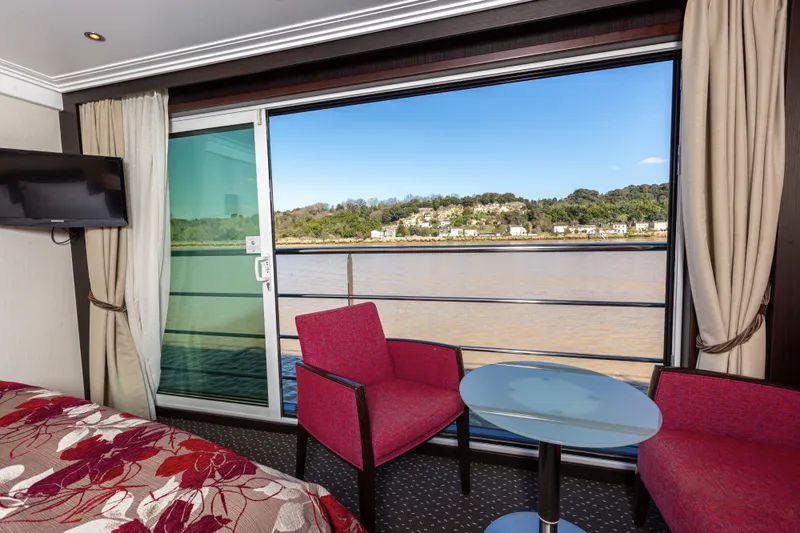
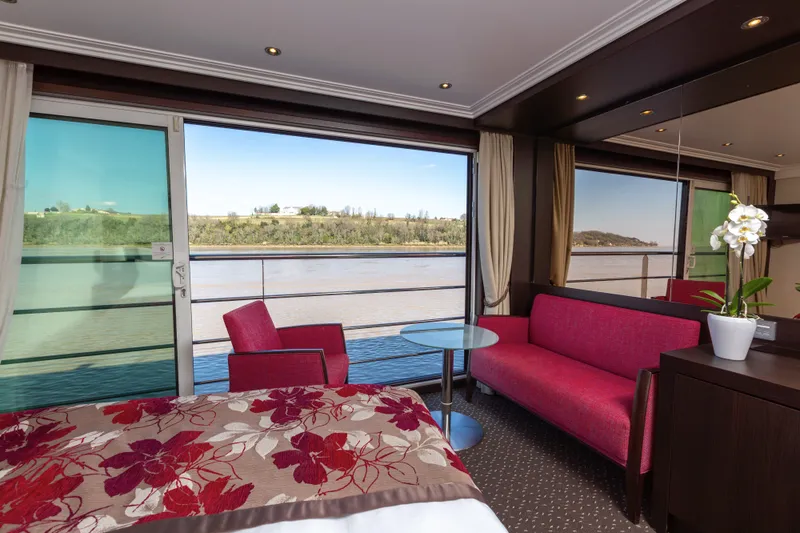
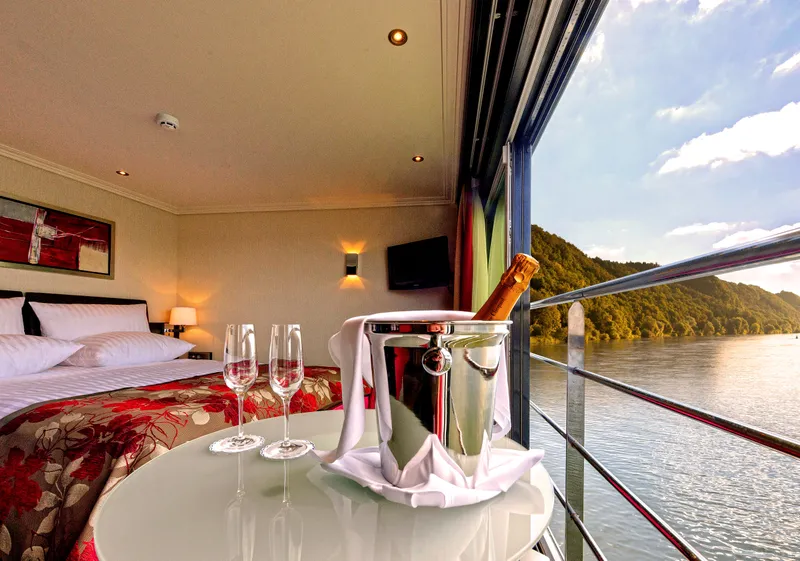
Comfort Collection Beds
Luxurious mattress toppers
Bedside tables with reading lamps
Hairdryer
L'Occitane bath products
Spacious 3-door closets with shelves for ample storage
Easy under-bed luggage storage
Make-up mirror
Direct-dial telephone
Bathrobes & slippers
Well-stocked minibar
Complimentary water
In-room safe
Individual climate control
Elegant, contemporary design
Large mirror in bathroom
Full shower with glass door
Writing desk and chair
Sofa
Complimentary Wi-Fi
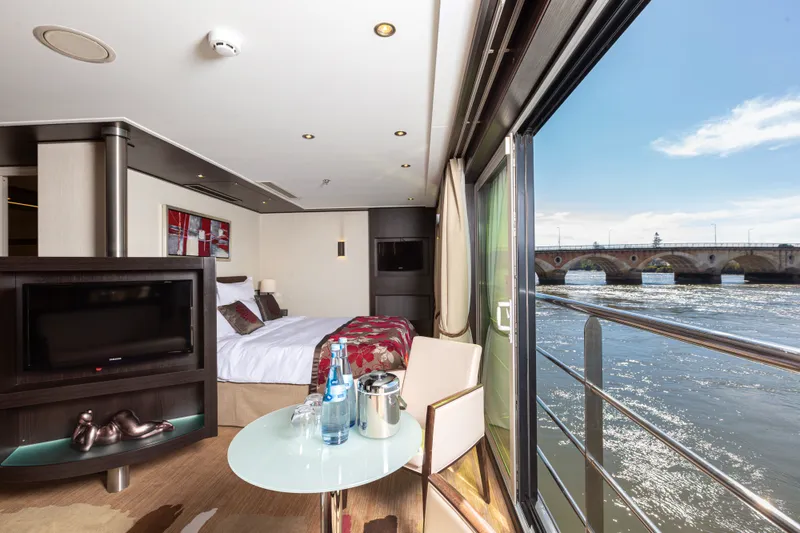
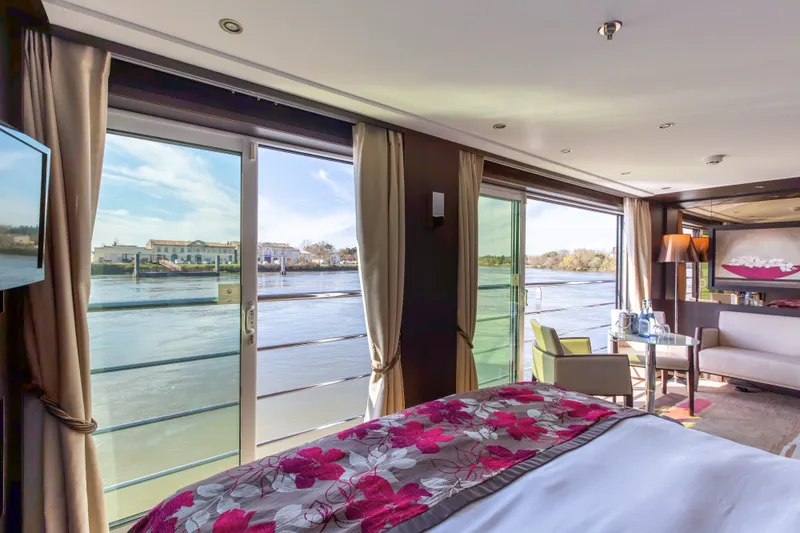
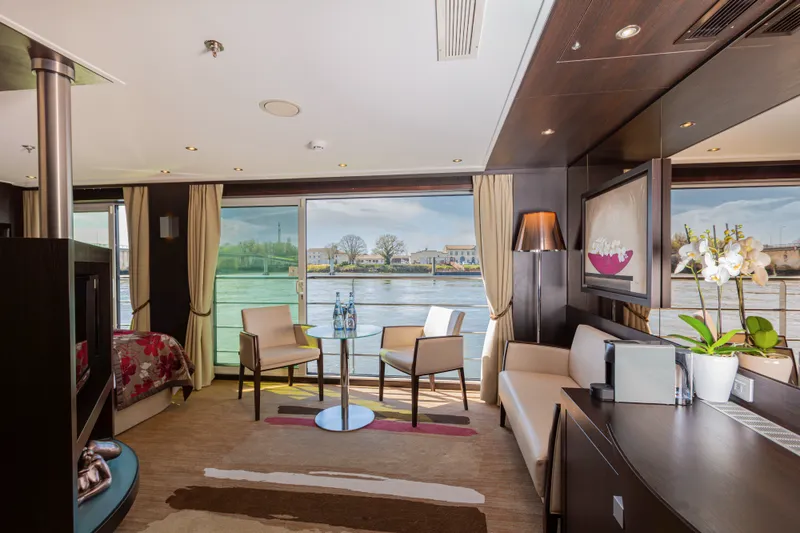
Comfort Collection Beds
Luxurious mattress toppers
Bedside tables with reading lamps
Hairdryer
L'Occitane bath products
Spacious 3-door closets with shelves for ample storage
Easy under-bed luggage storage
Make-up mirror
Direct-dial telephone
Bathrobes & slippers
Well-stocked minibar
Complimentary water
In-room safe
Individual climate control
Elegant, contemporary design
Large mirror in bathroom
Full shower with glass door
Writing desk and chair
Sofa
Complimentary Wi-Fi
One King-Sized Bed or Two Twins
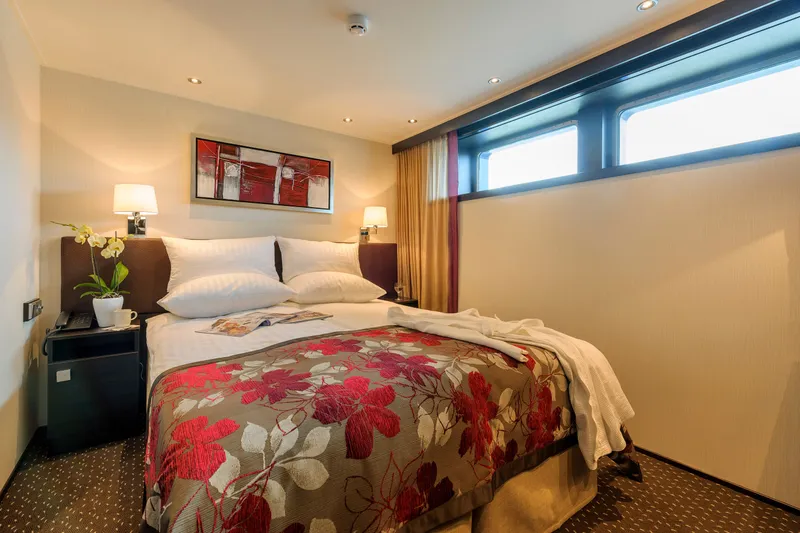
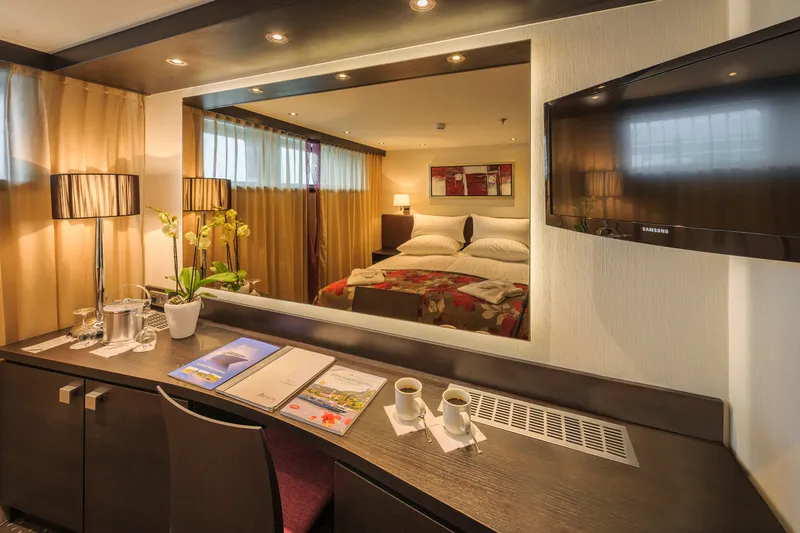
Comfort Collection Beds
Luxurious mattress toppers
Bedside tables with reading lamps
Hairdryer
L'Occitane bath products
Spacious 3-door closets with shelves for ample storage
Easy under-bed luggage storage
Direct-dial telephone
Bathrobes & slippers
Well-stocked minibar
Complimentary water
In-room safe
Individual climate control
Elegant, contemporary design
Large mirror in bathroom
Full shower with glass door
Writing desk and chair
Complimentary Wi-Fi
Our cruise specialists can help you find the perfect cabin and the best available pricing.
(+886) 02-2721-7300Contact Advisor