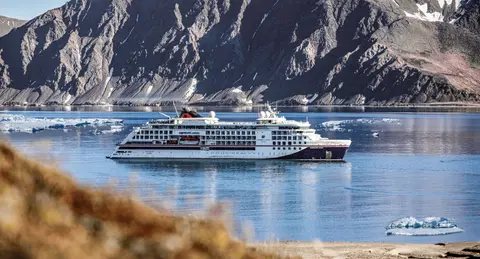
Hapag-Lloyd CruisesNAT2811
Mallorca - Leixoes (Porto)
Date
2028-05-22
Duration
13 nights
Departure Port
Palma de Mallorca
Spain
Arrival Port
Leixoes
Portugal
Rating
Expedition
Theme
—
Date
2028-05-22
Duration
13 nights
Departure Port
Palma de Mallorca
Spain
Arrival Port
Leixoes
Portugal
Rating
Expedition
Theme
—
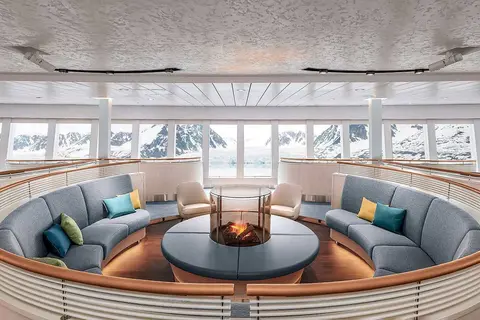
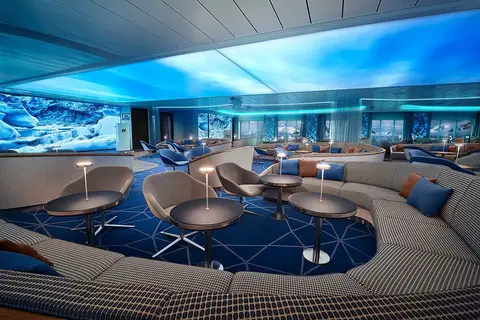
Hapag-Lloyd Cruises
Ice
2019
—
15,650 GT
230
—
175
452 m
22 m
16 knots
No
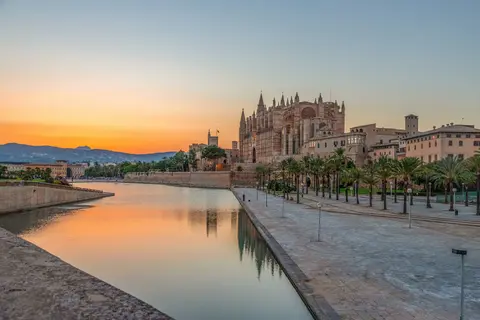
Palma de Mallorca announces itself with one of the most spectacular Gothic cathedrals in the world — La Seu, its honey-coloured sandstone buttresses rising directly from the bay, its interior modified by Antoni Gaudí and illuminated by the world's largest Gothic rose window. The old town behind it is a quarter of Arab baths, Renaissance palaces converted into boutique hotels, and the Passeig del Born — a plane-tree-shaded promenade where Balearic life conducts itself with unhurried grace. The local ensaïmada pastry and fresh sobrasada sausage from the island's black pigs are essential breakfast rituals. Visit May, June, or September: warm, brilliant, and measurably calmer than the July–August peak.
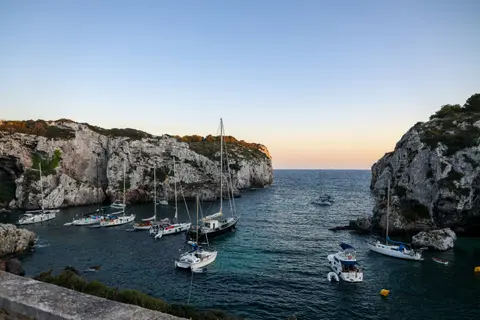
Mahón commands one of the Mediterranean's deepest natural harbours, a fjord-like inlet on Menorca that captivated British admirals, Phoenician traders, and Roman generals in turn — its Georgian townhouses and gin distilleries speaking eloquently to centuries of contested heritage. Explore the clifftop old town's baroque Santa María church with its 3,200-pipe organ, then cross the water to the imposing fortress of La Mola for sweeping harbour views. The island's prized caldereta de langosta, a slow-simmered lobster stew, is best savoured at the fishing village of Fornells. Visit between May and June or September and October for warmth without the summer crowds.
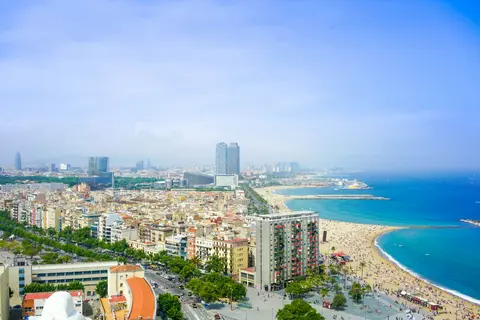
Barcelona is the city where Roman history, Gothic grandeur, and Gaudí's delirious Modernisme collide in a Mediterranean coastal capital of astonishing energy and beauty. The Sagrada Família — still under construction after 140 years — continues its audacious ascent toward completion, while the Gothic Quarter's Roman-era foundations and the Passeig de Gràcia's extraordinary concentration of Modernisme masterpieces reward days of exploration. For a complete sensory experience, lose an afternoon in the covered labyrinth of La Boqueria market before descending to the waterfront for Catalan seafood at its finest. May through June and September through October offer the most pleasant weather; the city connects directly to Paris by overnight train.
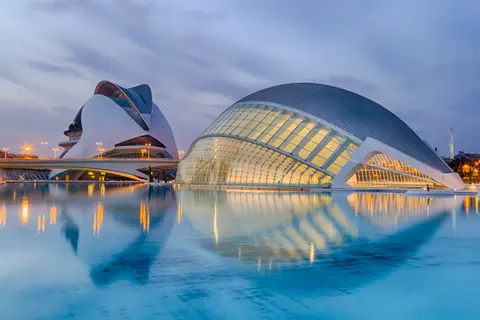
Valencia, Spain's luminous third city, dazzles with a creative energy anchored by two thousand years of layered civilization — Roman foundations, Moorish irrigation gardens, a Gothic cathedral housing what many believe to be the Holy Grail, and Santiago Calatrava's futuristic City of Arts and Sciences gleaming beside a park-filled riverbed. The city invented paella over an open fire of orange-wood in the surrounding huerta, and the Las Fallas festival each March — when neighborhoods compete to erect and then ceremonially burn towering satirical sculptures — is one of Europe's most spectacular celebrations. Valencia's Mediterranean climate makes it exceptional year-round.
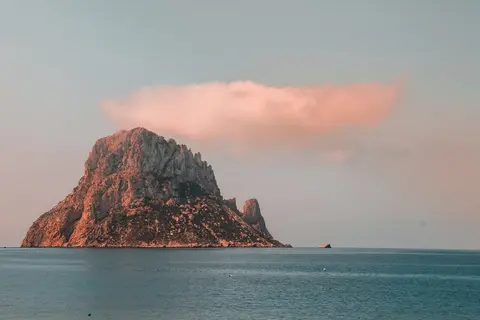
Beneath Ibiza's sun-drenched reputation as the world's clubbing capital lies a layered history stretching back to Phoenician traders who settled this Balearic island in 654 BC. The UNESCO-listed Dalt Vila — the walled hilltop citadel above Eivissa town — rewards exploration with Carthaginian burial grounds, Renaissance ramparts, and sweeping Mediterranean panoramas. For quieter pleasures, the crystalline coves of the island's north, such as Cala d'en Serra and Es Portitxol, rival any beach in Europe. The Phoenician necropolis of Puig des Molins is unmissable for history devotees. The season runs May through October, with June and September offering ideal weather without peak-summer crowds.
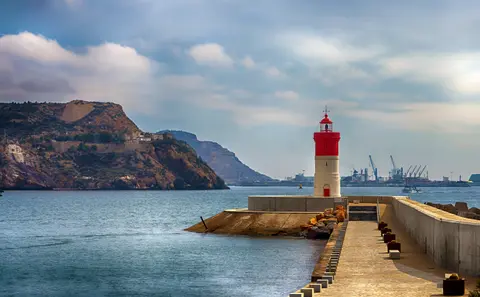
Cartagena, Colombia, is a UNESCO World Heritage Site celebrated for its stunning colonial architecture, vibrant atmosphere, and rich culinary scene. Must-do experiences include exploring the historic Old Town and savoring local specialties like arepas de huevo and ceviche de camarones. The best time to visit is from December to April, when the weather is warm and dry, perfect for leisurely city explorations and excursions to nearby attractions.
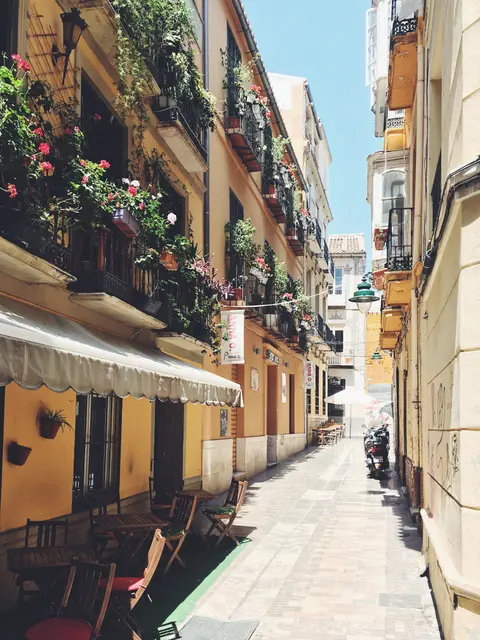
Málaga distils three thousand years of Mediterranean civilisation into one of Andalusia's most compelling port cities, where the Moorish Alcazaba fortress surveys a modern waterfront of elegant promenades and sun-drenched café terraces. Do not leave without visiting the Museo Picasso — the artist was born here in 1881 — and ascending to the ruined Castillo de Gibralfaro for panoramic views stretching to the Rif Mountains of Morocco on clear days. Malagueta anchovies fried in olive oil and the sweet Pedro Ximénez-laced dessert wine are the city's defining pleasures. The shoulder seasons of April, May, and October offer perfect Mediterranean warmth.
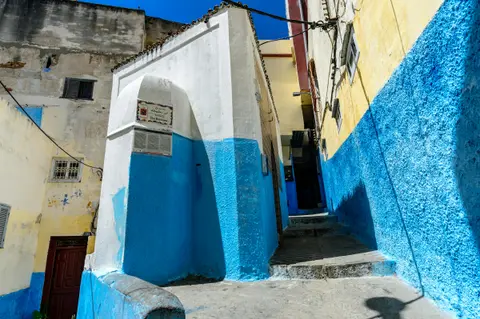
Tangier is Morocco's storied gateway between Africa and Europe, a city of Phoenician origins where a whitewashed medina, vibrant souks, and a cosmopolitan waterfront converge at the Strait of Gibraltar. Visitors should not miss savouring traditional pastilla in a rooftop riad and exploring the Kasbah's amber-lit ramparts at sunset. The ideal season to arrive is April through June or September through October, when mild Mediterranean temperatures and fewer crowds allow the city's layered beauty to reveal itself at an unhurried, luxurious pace.
Seville is the capital of southern Spain’s Andalusia region. It's famous for flamenco dancing, particularly in its Triana neighborhood. Major landmarks include the ornate Alcázar castle complex, built during the Moorish Almohad dynasty, and the 18th-century Plaza de Toros de la Maestranza bullring. The Gothic Seville Cathedral is the site of Christopher Columbus’s tomb and a minaret turned bell tower, the Giralda.
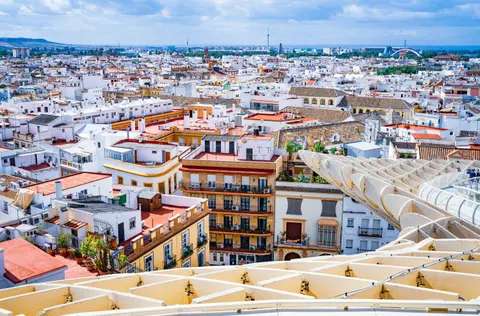
Seville’s port is a vibrant gateway to Andalusia, steeped in history and cultural richness. Don’t miss the chance to indulge in local tapas and experience a traditional flamenco performance. The best time to visit is during the spring, when the city bursts into life with festivals and pleasant weather.
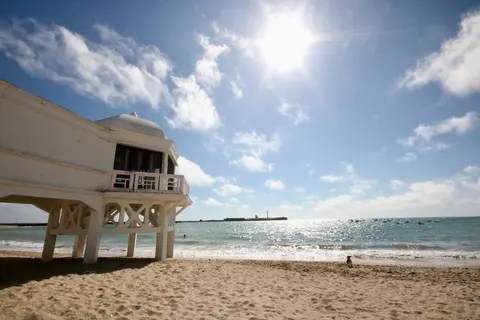
Cádiz, founded by Phoenician traders around 1100 BC and a strong contender for the oldest continuously inhabited city in Western Europe, juts into the Atlantic on a narrow peninsula where honey-colored ramparts frame improbable views of open ocean and the sun sets directly into the sea. The old quarter is an intoxicating labyrinth of baroque churches, hidden plazas, and carnival spirit — Cádiz's annual February carnival is the wildest and most satirically sharp in Spain — while the tapas culture here, centered on fresh Atlantic seafood cooked with Andalusian simplicity, represents Spanish cuisine at its most elemental and joyful. Visit February for carnival or spring for gentle Atlantic breezes. Seville is ninety minutes inland by bus or rail.
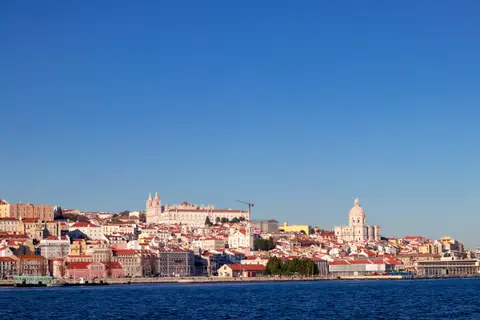
Lisbon, Portugal's enchanting capital, stands out for its rich history, stunning architecture, and vibrant culture. Must-try experiences include savoring local dishes like bacalhau à brás and pastéis de nata at Mercado da Ribeira. The best time to visit is during the spring or fall, when the weather is mild and the city is alive with festivals and events.

Leixões is the cruise port for Porto — UNESCO's dramatic river city where 20,000 azulejo tiles line a railway station, port wine lodges offer centuries of vintage tastings, and the Ribeira district cascades to the Douro in granite-and-tile splendor. Visit June via Celebrity or Ambassador Cruise Line for the São João festival and authentic Porto character.
Day 1
Palma de Mallorca announces itself with one of the most spectacular Gothic cathedrals in the world — La Seu, its honey-coloured sandstone buttresses rising directly from the bay, its interior modified by Antoni Gaudí and illuminated by the world's largest Gothic rose window. The old town behind it is a quarter of Arab baths, Renaissance palaces converted into boutique hotels, and the Passeig del Born — a plane-tree-shaded promenade where Balearic life conducts itself with unhurried grace. The local ensaïmada pastry and fresh sobrasada sausage from the island's black pigs are essential breakfast rituals. Visit May, June, or September: warm, brilliant, and measurably calmer than the July–August peak.
Day 2
Mahón commands one of the Mediterranean's deepest natural harbours, a fjord-like inlet on Menorca that captivated British admirals, Phoenician traders, and Roman generals in turn — its Georgian townhouses and gin distilleries speaking eloquently to centuries of contested heritage. Explore the clifftop old town's baroque Santa María church with its 3,200-pipe organ, then cross the water to the imposing fortress of La Mola for sweeping harbour views. The island's prized caldereta de langosta, a slow-simmered lobster stew, is best savoured at the fishing village of Fornells. Visit between May and June or September and October for warmth without the summer crowds.
Day 3
Barcelona is the city where Roman history, Gothic grandeur, and Gaudí's delirious Modernisme collide in a Mediterranean coastal capital of astonishing energy and beauty. The Sagrada Família — still under construction after 140 years — continues its audacious ascent toward completion, while the Gothic Quarter's Roman-era foundations and the Passeig de Gràcia's extraordinary concentration of Modernisme masterpieces reward days of exploration. For a complete sensory experience, lose an afternoon in the covered labyrinth of La Boqueria market before descending to the waterfront for Catalan seafood at its finest. May through June and September through October offer the most pleasant weather; the city connects directly to Paris by overnight train.
Day 4
Valencia, Spain's luminous third city, dazzles with a creative energy anchored by two thousand years of layered civilization — Roman foundations, Moorish irrigation gardens, a Gothic cathedral housing what many believe to be the Holy Grail, and Santiago Calatrava's futuristic City of Arts and Sciences gleaming beside a park-filled riverbed. The city invented paella over an open fire of orange-wood in the surrounding huerta, and the Las Fallas festival each March — when neighborhoods compete to erect and then ceremonially burn towering satirical sculptures — is one of Europe's most spectacular celebrations. Valencia's Mediterranean climate makes it exceptional year-round.
Day 5
Beneath Ibiza's sun-drenched reputation as the world's clubbing capital lies a layered history stretching back to Phoenician traders who settled this Balearic island in 654 BC. The UNESCO-listed Dalt Vila — the walled hilltop citadel above Eivissa town — rewards exploration with Carthaginian burial grounds, Renaissance ramparts, and sweeping Mediterranean panoramas. For quieter pleasures, the crystalline coves of the island's north, such as Cala d'en Serra and Es Portitxol, rival any beach in Europe. The Phoenician necropolis of Puig des Molins is unmissable for history devotees. The season runs May through October, with June and September offering ideal weather without peak-summer crowds.
Day 6
Cartagena, Colombia, is a UNESCO World Heritage Site celebrated for its stunning colonial architecture, vibrant atmosphere, and rich culinary scene. Must-do experiences include exploring the historic Old Town and savoring local specialties like arepas de huevo and ceviche de camarones. The best time to visit is from December to April, when the weather is warm and dry, perfect for leisurely city explorations and excursions to nearby attractions.
Day 7
Málaga distils three thousand years of Mediterranean civilisation into one of Andalusia's most compelling port cities, where the Moorish Alcazaba fortress surveys a modern waterfront of elegant promenades and sun-drenched café terraces. Do not leave without visiting the Museo Picasso — the artist was born here in 1881 — and ascending to the ruined Castillo de Gibralfaro for panoramic views stretching to the Rif Mountains of Morocco on clear days. Malagueta anchovies fried in olive oil and the sweet Pedro Ximénez-laced dessert wine are the city's defining pleasures. The shoulder seasons of April, May, and October offer perfect Mediterranean warmth.
Day 8
Tangier is Morocco's storied gateway between Africa and Europe, a city of Phoenician origins where a whitewashed medina, vibrant souks, and a cosmopolitan waterfront converge at the Strait of Gibraltar. Visitors should not miss savouring traditional pastilla in a rooftop riad and exploring the Kasbah's amber-lit ramparts at sunset. The ideal season to arrive is April through June or September through October, when mild Mediterranean temperatures and fewer crowds allow the city's layered beauty to reveal itself at an unhurried, luxurious pace.
Day 9
Seville is the capital of southern Spain’s Andalusia region. It's famous for flamenco dancing, particularly in its Triana neighborhood. Major landmarks include the ornate Alcázar castle complex, built during the Moorish Almohad dynasty, and the 18th-century Plaza de Toros de la Maestranza bullring. The Gothic Seville Cathedral is the site of Christopher Columbus’s tomb and a minaret turned bell tower, the Giralda.
Day 10
Seville’s port is a vibrant gateway to Andalusia, steeped in history and cultural richness. Don’t miss the chance to indulge in local tapas and experience a traditional flamenco performance. The best time to visit is during the spring, when the city bursts into life with festivals and pleasant weather.
Day 11
Cádiz, founded by Phoenician traders around 1100 BC and a strong contender for the oldest continuously inhabited city in Western Europe, juts into the Atlantic on a narrow peninsula where honey-colored ramparts frame improbable views of open ocean and the sun sets directly into the sea. The old quarter is an intoxicating labyrinth of baroque churches, hidden plazas, and carnival spirit — Cádiz's annual February carnival is the wildest and most satirically sharp in Spain — while the tapas culture here, centered on fresh Atlantic seafood cooked with Andalusian simplicity, represents Spanish cuisine at its most elemental and joyful. Visit February for carnival or spring for gentle Atlantic breezes. Seville is ninety minutes inland by bus or rail.
Day 12
Day 13
Lisbon, Portugal's enchanting capital, stands out for its rich history, stunning architecture, and vibrant culture. Must-try experiences include savoring local dishes like bacalhau à brás and pastéis de nata at Mercado da Ribeira. The best time to visit is during the spring or fall, when the weather is mild and the city is alive with festivals and events.
Day 14
Leixões is the cruise port for Porto — UNESCO's dramatic river city where 20,000 azulejo tiles line a railway station, port wine lodges offer centuries of vintage tastings, and the Ribeira district cascades to the Douro in granite-and-tile splendor. Visit June via Celebrity or Ambassador Cruise Line for the São João festival and authentic Porto character.
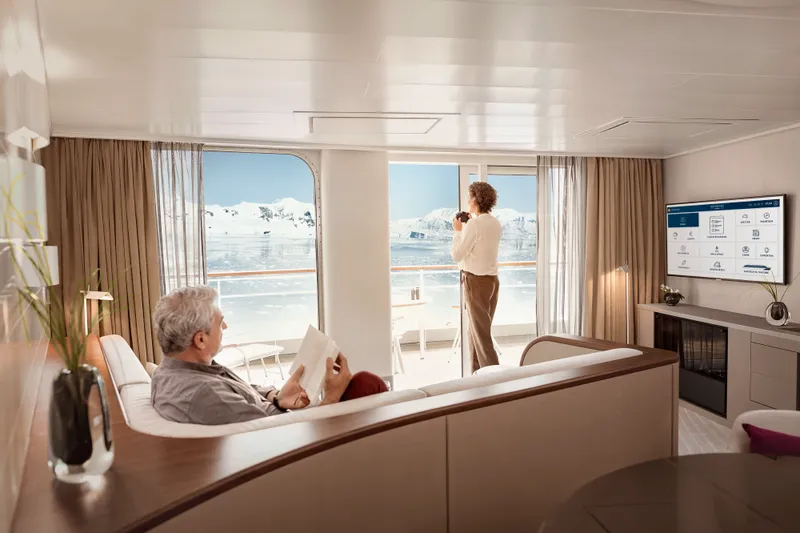
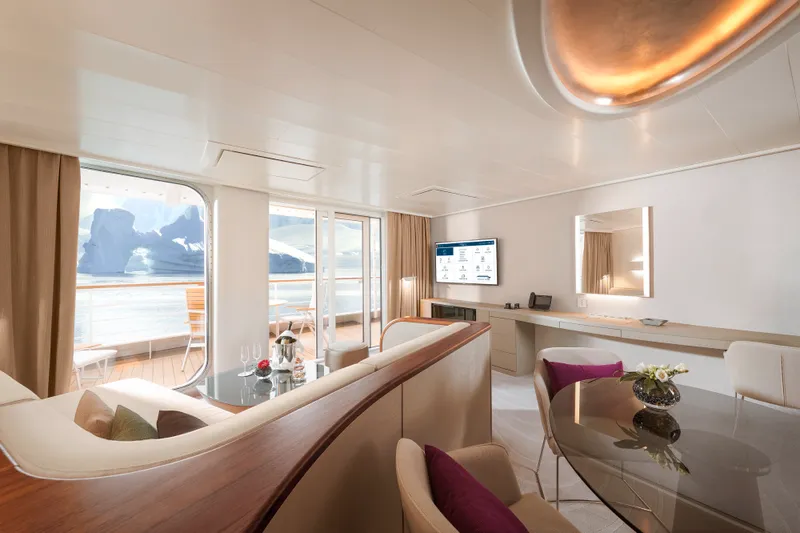
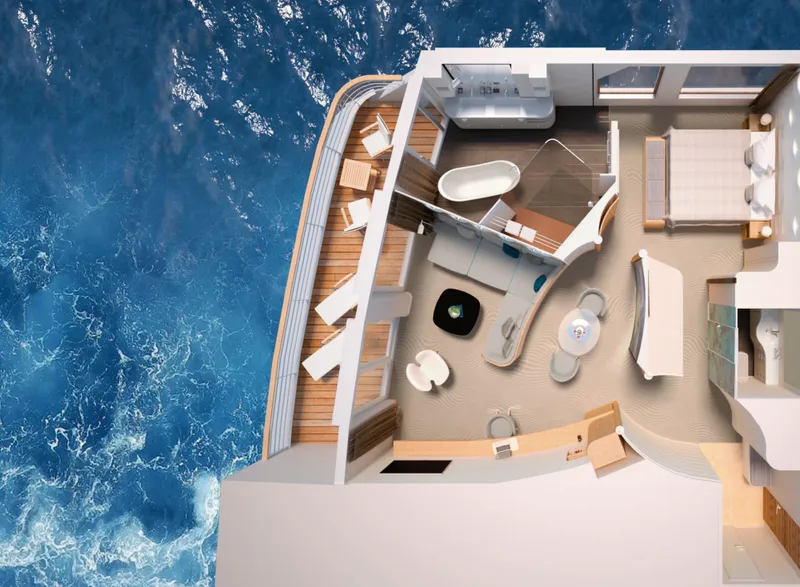
Max passengers: 2
Staterooms number: 4
Cabin size: 765 ft2 / 71 m2
Balcony size: 170 ft2 / 16 m2 (included)
Location (on decks): aft on decks 6 and 7
Type (categories): (GS) Grand Suite with Balcony
Grand Suite cabins offer the following amenities and complimentary services:
private (step-out) balcony with space heaters, 2 heated sunloungers, 2 deck chairs, 1 small table
separate living / lounge area (L-shaped sofa, low table, veranda access), dining area (2-seat table / glass-topped) and sleeping area (2 twin beds) - all are with floor-ceiling window views
2x flat TVs (in the living and sleeping areas)
daylight bathroom (panoramic window, double-sink vanity, WC, free-standing bath / hottub, rain shower, heated wall for towels and wet parkas, veranda access)
separate toilet (WC, washbasin)
steam sauna (in the shower area)
binoculars (for in-cabin use only)
Nordic walking poles (for shore excursions / tours)
complimentary mini-bar (fully-stocked), coffee machine
dedicated butler service
exclusive service privileges
Interconnecting suites (Suite mit Verbindungstur): Each of the aft-located Grand Suites can be combined with an adjacent Balcony Cabin (deck 6 category 6, deck 7 category 7).
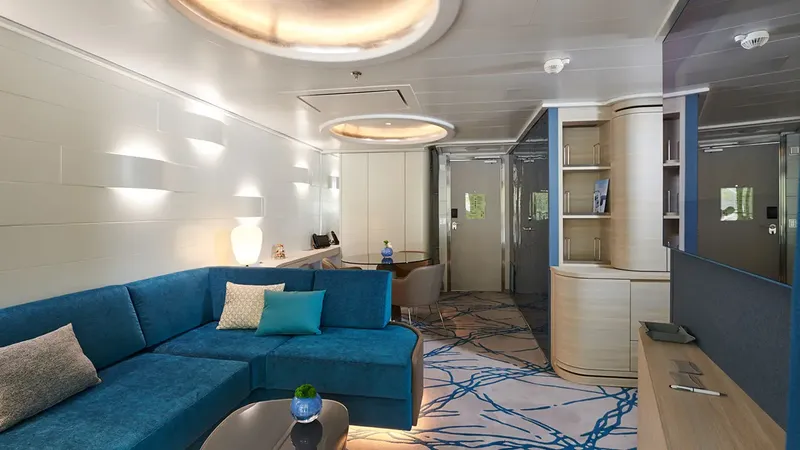
Guarantee Suite
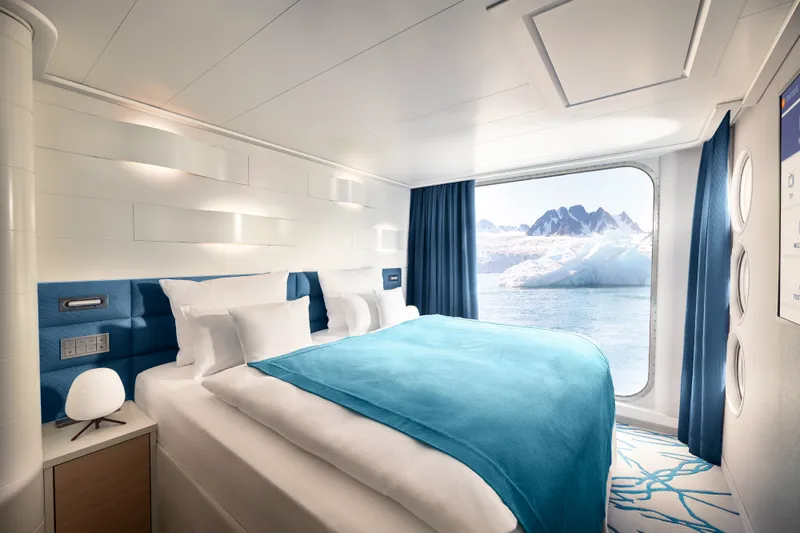
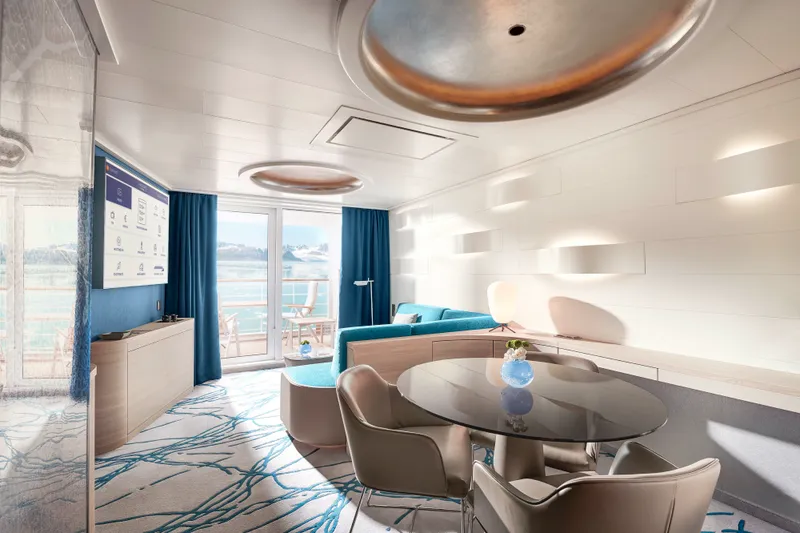
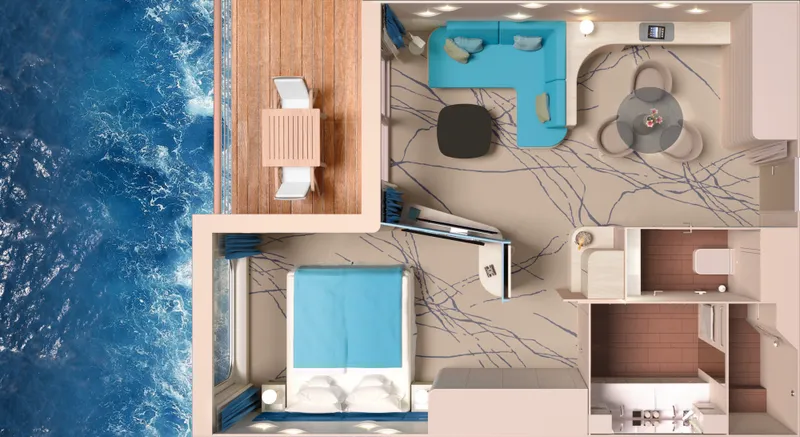
Max passengers: 2
Staterooms number: 14
Cabin size: 465 ft2 / 43 m2
Balcony size: 65 ft2 / 6 m2 (included)
Location (on decks): aft-midship on decks 6 and 7
Type (categories): (JS) Junior Suite with Balcony
Junior Suite cabins offer the following amenities and complimentary services:
private (step-out) balcony with space heaters, 2 heated sunloungers, 1 small table
separate living / lounge area (L-shaped sofa, low table, veranda access), dining area (3-seat table / glass-topped) and sleeping area (2 twin beds) - all are with floor-ceiling window views
2x flat TVs (in the living and in the sleeping areas)
bathroom (double-sink vanity, WC, rain shower, heated wall for towels and wet parkas)
separate toilet (WC, washbasin)
steam sauna (in the shower area)
binoculars (for in-cabin use only)
Nordic walking poles (for shore excursions / tours)
complimentary mini-bar (fully-stocked), coffee machine
dedicated butler service
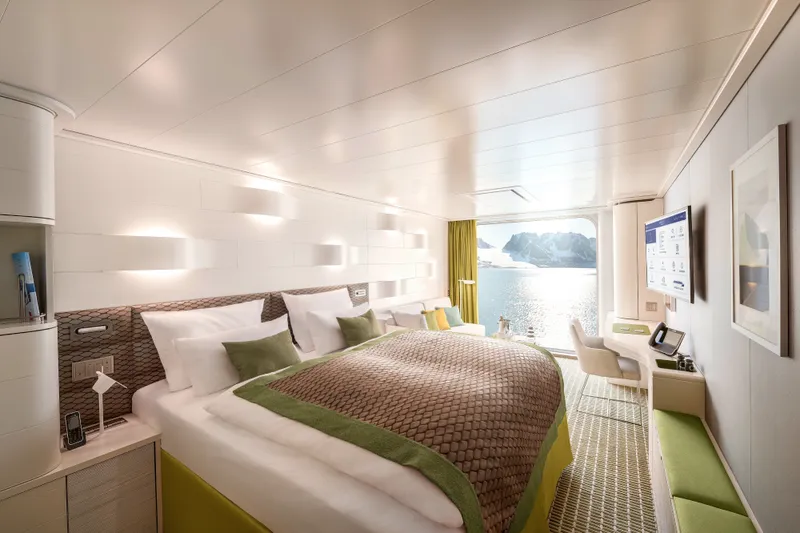
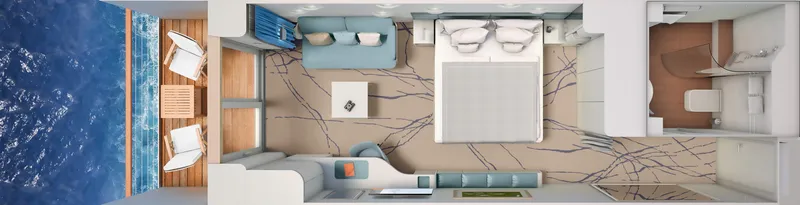
Max passengers: 2
Staterooms number: 63
Cabin size: 300 ft2 / 28 m2
Balcony size: 65 ft2 / 6 m2 (included)
Location (on decks): 5, 6, 7
Type (categories): (categories 4, 6, 7, 8) Balcony staterooms
Balcony Cabin amenities and complimentary services include:
private (step-out) balcony (furnished with 2 deck chairs, 1 small table, space heaters)
living area (double sofa, low table, writing desk with chair, veranda access)
sleeping area (2 twin beds / convertible to double, bedside cabinets with reading lamps)
flat TV, full-length mirror, spacious wardrobe (electronic safe in the closet)
bathroom (single-sink vanity, rain shower, WC, heated wall for towels and wet parkas)
binoculars (for in-cabin use only)
Nordic walking poles (for shore excursions / tours)
complimentary mini-bar (fully-stocked), coffee machine
Bookings with single occupancy and same sex occupancy ("shared cabin") are also offered.
There are two pairs of connecting Balcony Cabins (category 6) located forward-midship.
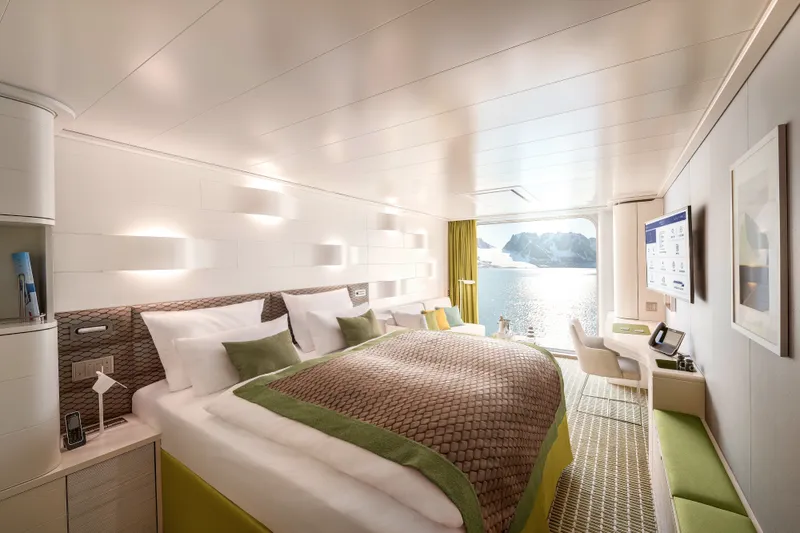
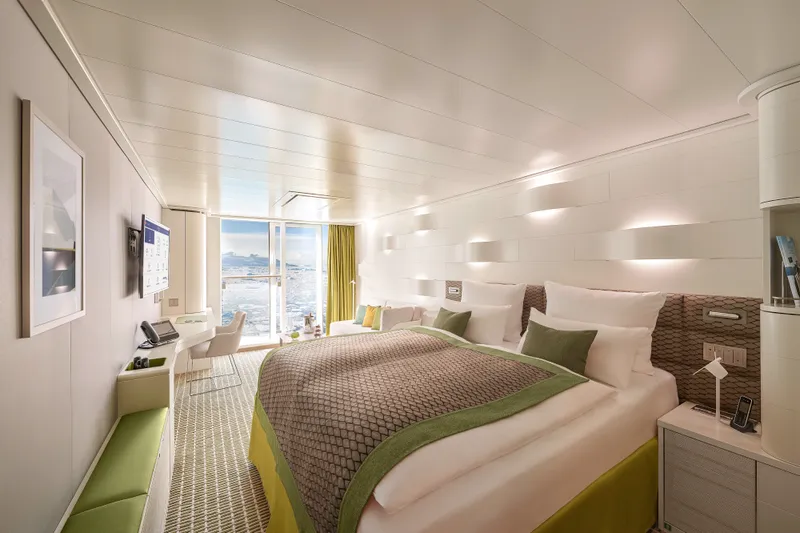
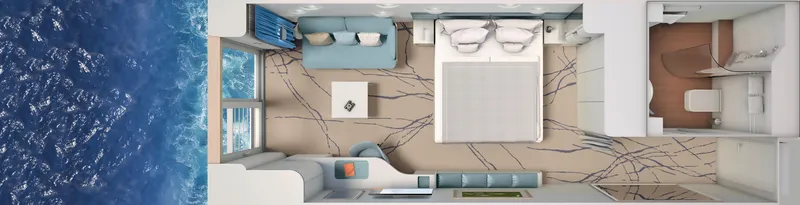
Max passengers: 2
Staterooms number: 20
Cabin size: 225-250 ft2 / 21-23 m2
Balcony size: none
Location (on decks): 6 (forward), 7 (midship)
Type (categories): (categories 3, 5) French Balcony staterooms
French Balcony Cabin amenities and complimentary services include:
French Balcony (floor-ceiling window / opening)
living area (double sofa, low table, writing desk with chair)
sleeping area (2 twin beds / convertible to double, bedside cabinets with reading lamps)
flat TV, full-length mirror, spacious wardrobe (electronic safe in the closet)
en-suite bathroom (single-sink vanity, rain shower, WC, heated wall for towels and wet parkas)
complimentary mini-bar (fully-stocked), coffee machine
binoculars (for in-cabin use only)
Nordic walking poles (for shore excursions / tours)
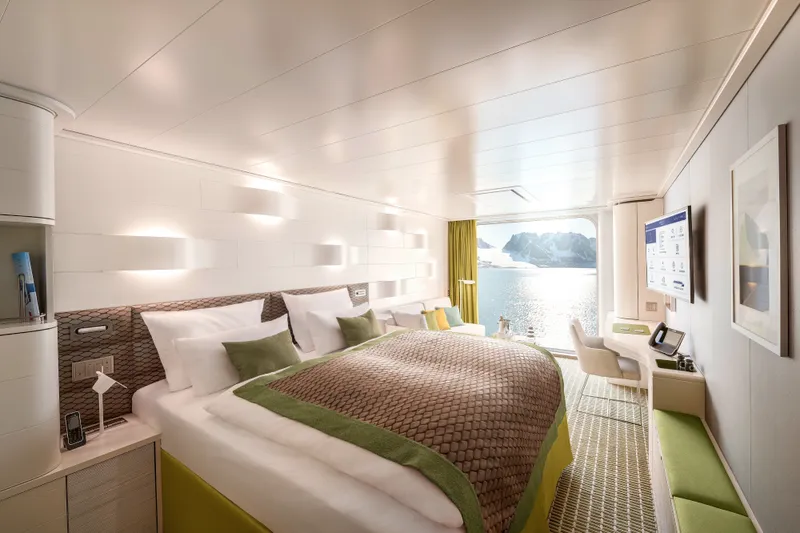
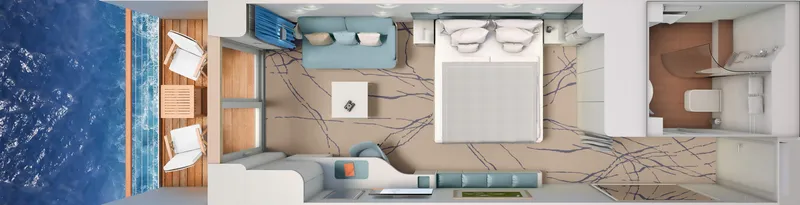
Guarantee Balcony Cabin
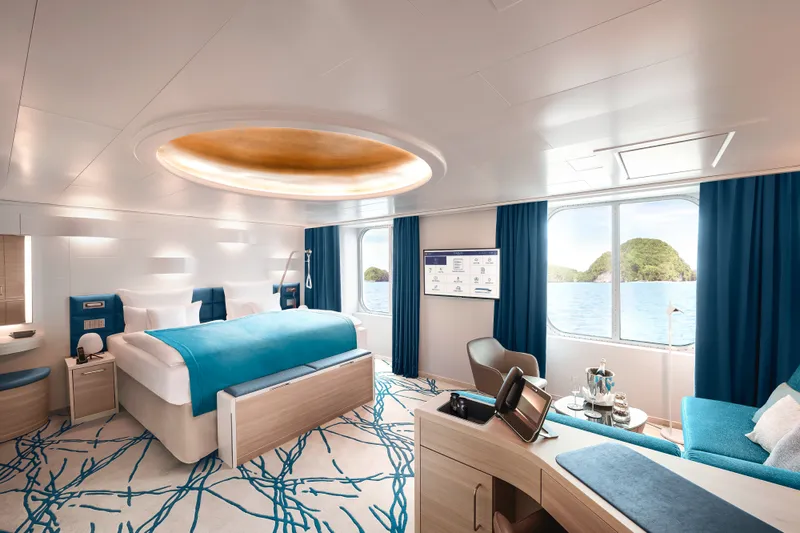
Guarantee Outside Cabin
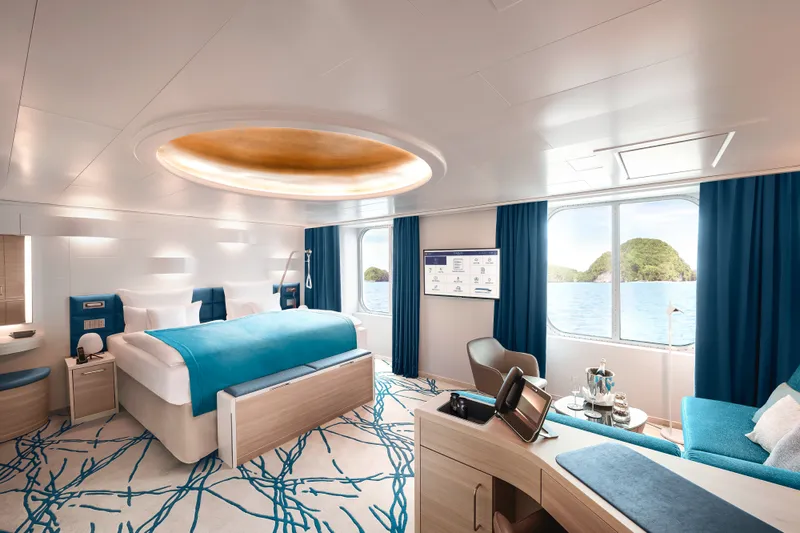
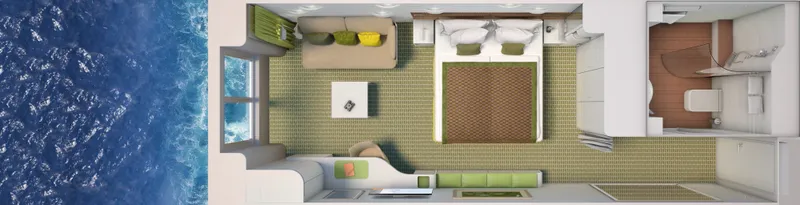
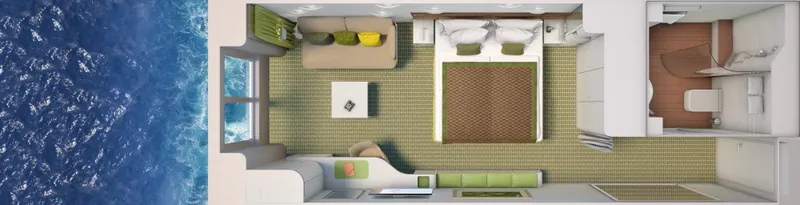
Max passengers: 2
Staterooms number: 10
Cabin size: 235 ft2 / 22 m2
Balcony size: none
Location (on decks): forward on decks 4, 5, 6
Type (categories): (category 1) Oceanview / outside stateroom with porthole window
Outside Cabin amenities and complimentary services include:
porthole window (non-opening)
living area (double sofa, low table, writing desk with chair)
sleeping area (2 twin beds / convertible to double, bedside cabinets with reading lamps)
flat TV, full-length mirror, spacious wardrobe (electronic safe in the closet)
en-suite bathroom (single-sink vanity, rain shower, WC, heated wall for towels and wet parkas)
complimentary mini-bar (fully-stocked), coffee machine
binoculars (for in-cabin use only)
Nordic walking poles (for shore excursions / tours)
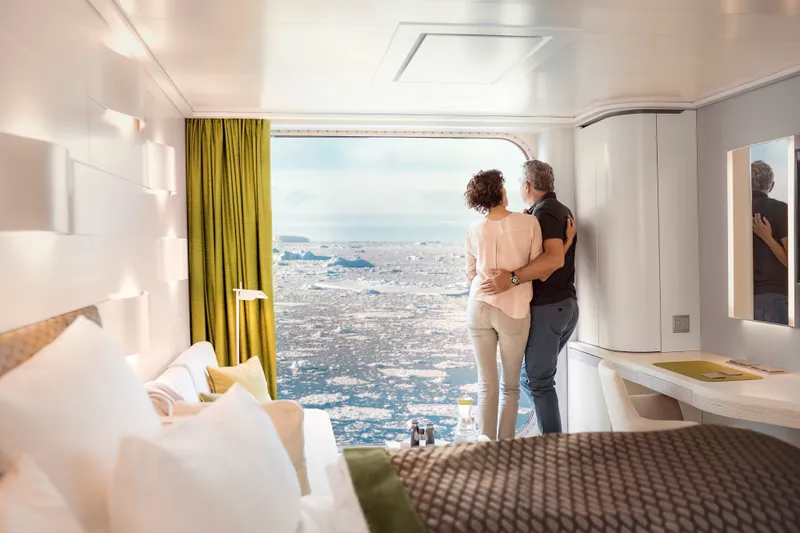
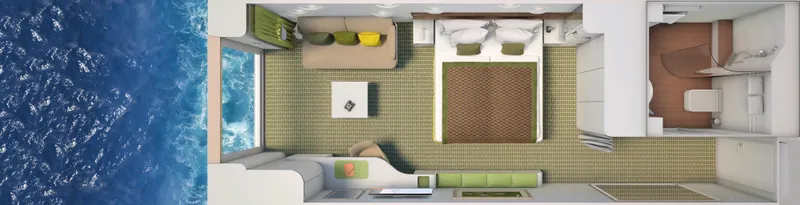
Max passengers: 2
Staterooms number: 9
Cabin size: 235 ft2 / 22 m2
Balcony size: none
Location (on decks): forward on decks 4 and 5
Type (categories): (category 2) Panorama Stateroom with floor-ceiling window
Panorama Cabin amenities and complimentary services include:
Note: Room #404 is a wheelchair-accessible cabin (for disabled passengers) and larger in size.
floor-ceiling window (non-opening)
living area (double sofa, low table, writing desk with chair)
sleeping area (2 twin beds / convertible to double, bedside cabinets with reading lamps)
flat TV, full-length mirror, spacious wardrobe (electronic safe in the closet)
en-suite bathroom (single-sink vanity, rain shower, WC, heated wall for towels and wet parkas)
complimentary mini-bar (fully-stocked), coffee machine
binoculars (for in-cabin use only)
Nordic walking poles (for shore excursions / tours)
Our cruise specialists can help you find the perfect cabin and the best available pricing.
(+886) 02-2721-7300Contact Advisor