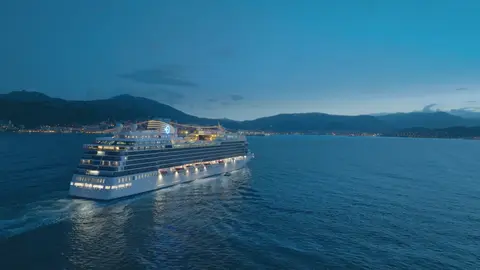
Oceania CruisesALU270717A
Rome to Barcelona
Date
2027-07-17
Duration
20 nights
Departure Port
Civitavecchia
Italy
Arrival Port
Barcelona
Spain
Rating
Luxury
Theme
—
Date
2027-07-17
Duration
20 nights
Departure Port
Civitavecchia
Italy
Arrival Port
Barcelona
Spain
Rating
Luxury
Theme
—



Oceania Cruises
2023
—
67,000 GT
1,200
612
800
785 m
32 m
20 knots
Yes
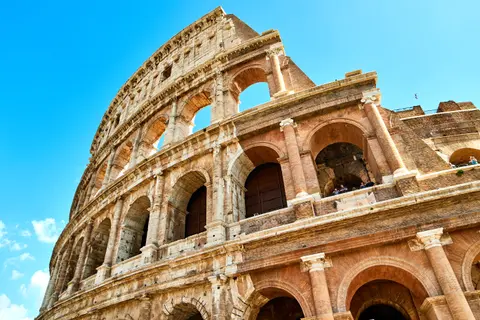
Rome's ancient maritime gateway since the Emperor Trajan commissioned its harbour in 106 AD, Civitavecchia is the natural prologue to the Eternal City — just seventy minutes southeast by express rail. The port's Renaissance fortress, designed in part by Michelangelo, anchors a working waterfront that has welcomed travellers for millennia. Beyond Rome's unmissable monuments, consider an afternoon in the Civitavecchia thermal baths, drawing on mineral waters prized since antiquity. Spring and autumn offer the ideal balance of mild weather and manageable crowds for exploring the capital's layered history.
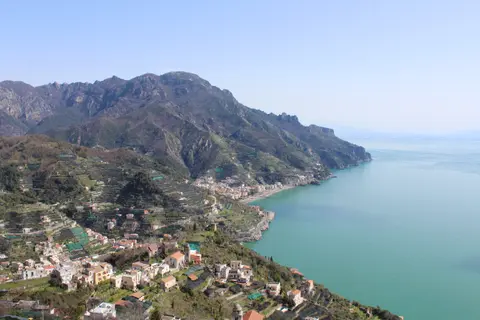
Salerno is a historic Campanian port city nestled between the Amalfi Coast and Cilento National Park, home to Europe's first medieval medical school and a magnificent Romanesque cathedral with Byzantine bronze doors. Visitors should not miss the Lungomare Trieste promenade at sunset and a plate of hand-rolled scialatielli ai frutti di mare in the atmospheric old town. The mild Mediterranean climate makes Salerno enchanting year-round, though late spring through early autumn offers the most luminous light and the fullest expression of its coastal character.
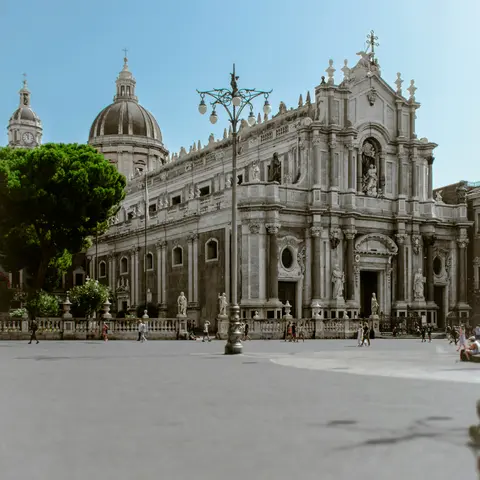
Catania is Sicily's dramatic second city, built from the black volcanic stone of Mount Etna and layered with Greek, Roman, and baroque heritage dating to 729 BC. Visitors should not miss the riotous Pescheria fish market and a tasting of authentic pasta alla Norma, followed by an excursion to the summit of Etna for views stretching to the Aeolian Islands. The best months to visit are April through June and September through October, when mild temperatures and thinner crowds allow the city's baroque streetscapes and extraordinary cuisine to be savored at a leisurely, unhurried pace.
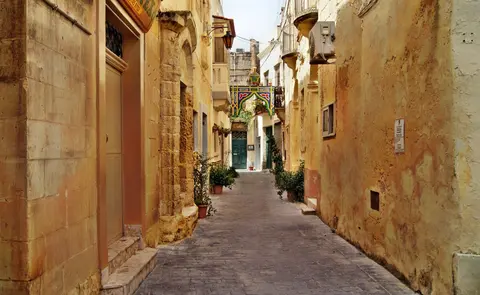
Valletta, Europe's smallest capital, is a fortress city of exceptional grandeur raised from bare limestone in just fifteen years after the Knights of St. John repelled the great Ottoman siege of 1565 — its rigid Renaissance grid of sun-drenched streets concealing a density of baroque palaces, gilded oratories, and subterranean World War II shelters unrivaled anywhere in the Mediterranean. The Grand Harbour, framed by golden bastions plunging into startlingly blue water, offers one of the most dramatically photogenic arrivals in the world for arriving vessels. Spring and autumn deliver the most comfortable temperatures for exploring this UNESCO-listed gem.
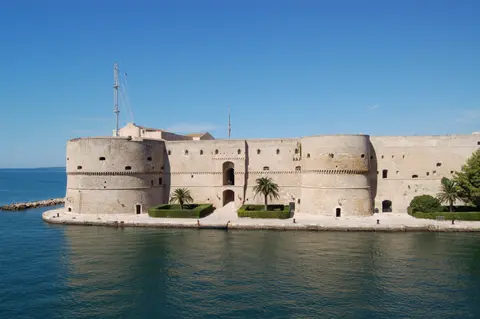
Taranto, founded by Spartans in 706 BC, is Puglia's ancient maritime city straddling two seas, home to Italy's finest mussels and an extraordinary collection of Hellenistic gold jewellery at the MArTA museum. Visitors should explore the atmospheric island old town, taste cozze taratine with Primitivo di Manduria wine, and witness a city in cultural renaissance. May through October offers ideal Mediterranean conditions.
Igoumenitsa is a gateway port on Greece's northwestern Epirus coast, facing Corfu across the Ionian strait, with a revitalized waterfront promenade and access to some of Greece's most spectacular yet least-visited landscapes. Must-do excursions include the mythological Acheron River gorge, the ancient oracle of the dead, and the stone villages of Zagori near Vikos Gorge. Visit May through October for ideal hiking conditions and luminous Mediterranean light.
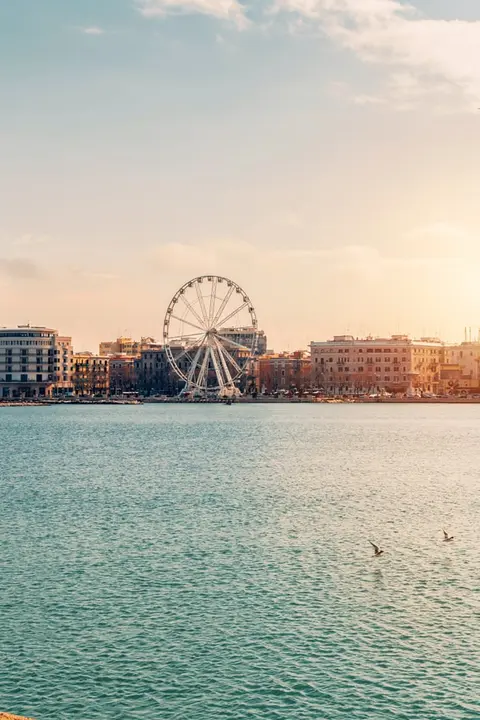
Bari, Puglia's ancient capital on the Adriatic, has served as a bridge between Western Europe and the Eastern Mediterranean for over two millennia — a heritage visible in the magnificent Basilica di San Nicola, one of medieval Christendom's most important pilgrimage churches, and in the labyrinthine Bari Vecchia where elderly women still hand-roll orecchiette in the street. The surrounding region of Puglia is among Italy's most compelling culinary destinations: burrata born in Andria, focaccia barese, and the puglian cuisine that has recently attracted international attention as Rome's and Florence's quieter, more authentic cousin. Visit April through June and September through October; the Trulli of Alberobello are forty minutes south.
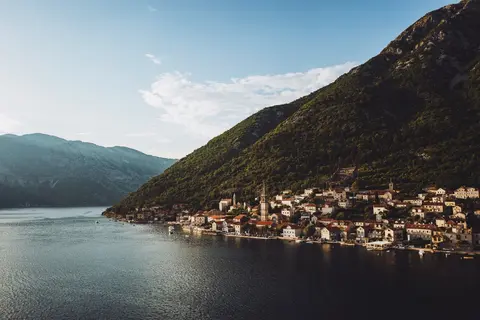
The port of Kotor, a UNESCO World Heritage site, is renowned for its stunning natural beauty and rich historical tapestry. A must-do experience includes wandering the cobblestone streets of the Old Town, where culinary delights like "kacamak" and fresh seafood await. The best time to visit is during the spring or early fall, when the weather is pleasant and the crowds are fewer.
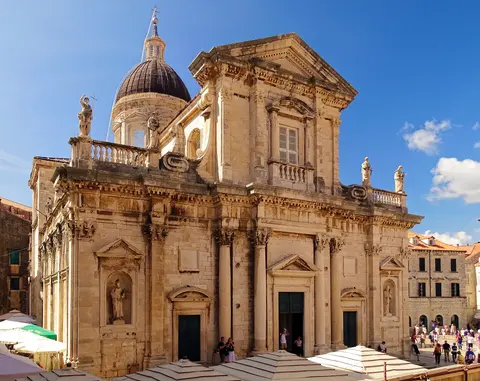
Dubrovnik, Croatia's stunning port city, is a blend of rich history, dramatic architecture, and vibrant culture, making it a must-visit destination. Don't miss a stroll along the city walls for breathtaking views and savor local dishes like "peka" and "black risotto." The best time to visit is in late spring or early fall when the weather is pleasant and the crowds are thinner.
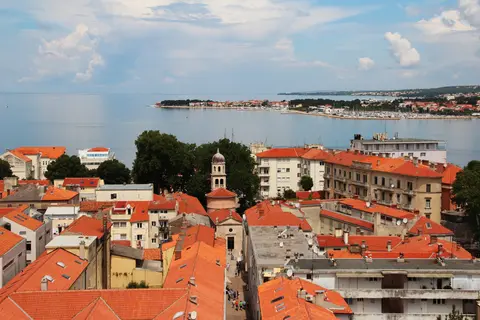
Zadar, a historic port city on Croatia's Dalmatian coast, is a captivating blend of ancient architecture and vibrant culture. Must-do experiences include visiting the Church of St. Donatus and enjoying the enchanting music of the Sea Organ. The best season to visit is during the warm summer months when the city comes alive with festivals and outdoor activities.
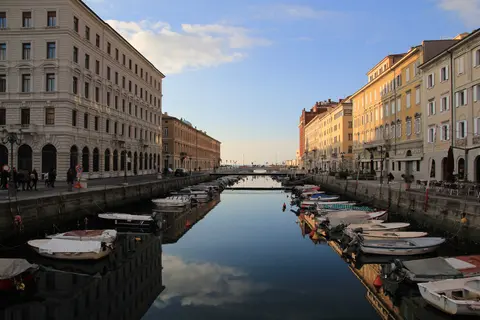
Trieste, a historic port city in Italy, is renowned for its rich cultural tapestry and stunning architectural heritage. Must-do experiences include sampling local delicacies like ćevapi and sachertorte, and exploring the vibrant Mercato Coperto. The best time to visit is during the spring and early autumn, when the weather is pleasant and the city is alive with activity.
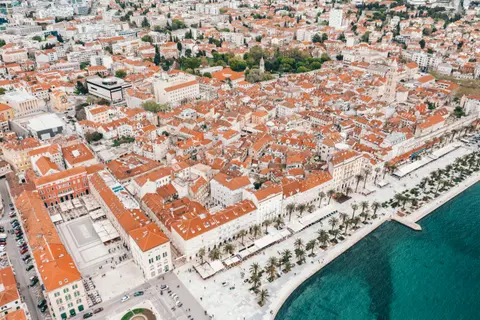
Split, Croatia's vibrant port city, is a unique blend of ancient history and modern life, centered around the remarkable Diocletian's Palace. Must-do experiences include savoring local dishes like pašticada and exploring the bustling markets. The best time to visit is during the spring and early fall, when the weather is pleasant and the tourist crowds are more manageable.
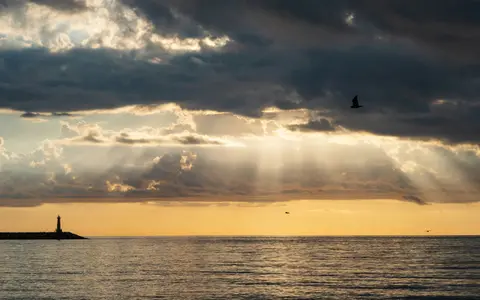
Bar, Montenegro's sunniest and largest seaport, commands 27 miles of Adriatic coastline where Roman ruins, Ottoman heritage, and one of Europe's oldest olive trees create a destination of remarkable historical depth. Visitors should explore the hauntingly beautiful medieval citadel of Stari Bar and savour fresh Adriatic seafood paired with local Vranac wine at a waterfront konoba. The best months to visit are May through October, when the city's legendary sunshine illuminates the turquoise coast and the surrounding mountains remain accessible for day excursions to Kotor and Durmitor National Park.
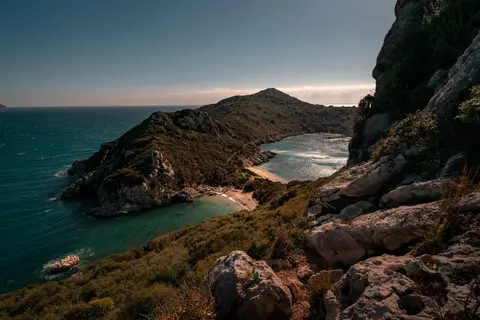
Where Homer placed the island of the Phaeacians and four centuries of Venetian rule left their most enduring Mediterranean legacy, Corfu is a singular island of extraordinary historical depth and natural beauty. The UNESCO-listed Old Town — its narrow Kantounia alleyways, the elegant Liston arcade, and twin Venetian fortresses — is the finest preserved Venetian streetscape in Greece. Beyond the town, secret coves, olive groves of immense antiquity, and mountain villages offer weeks of unhurried discovery. May through June and September offer perfect conditions: warm sea temperatures, clear skies, and the island before or after its summer crescendo.
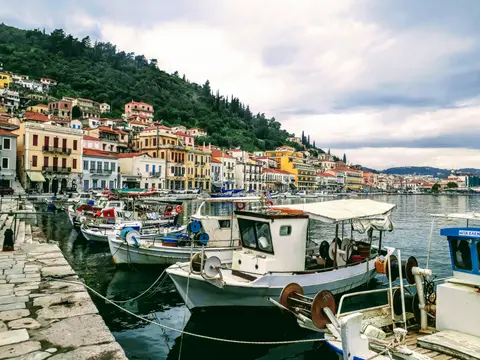
Gythio is ancient Sparta's port town on the Laconian Gulf, where Homeric mythology, neoclassical waterfront charm, and the wild Mani Peninsula's tower houses and underground caves converge. Visit from April through October for Diros Cave boat tours, Cape Tenaro's mythological Underworld entrance, and waterfront dining in one of the Peloponnese's most atmospheric harbor towns.
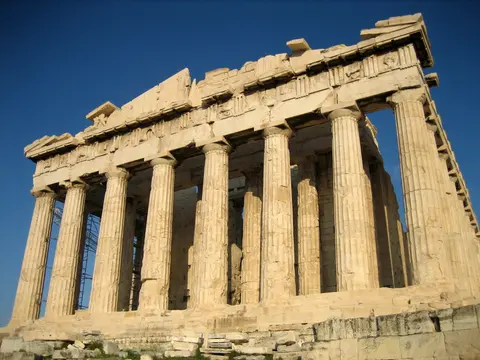
The port that launched Athenian democracy's naval supremacy at the Battle of Salamis, Piraeus remains Greece's maritime heartbeat — and the most convenient gateway to both the Acropolis and the Aegean island chains. Dine on grilled sea bream at a Mikrolimano harbourside taverna, visit the extraordinary bronze Piraeus Apollo, and set sail for Hydra or Santorini by afternoon. Late April through June and September offer the Aegean at its most golden and uncrowded.
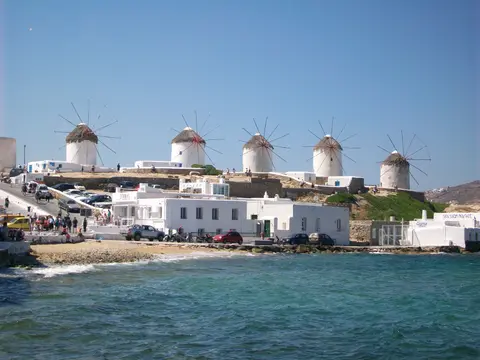
Katakolon is the unassuming port that holds an extraordinary secret: just fourteen kilometres inland lies ancient Olympia, birthplace of the Olympic Games and one of the most sacred sites in the ancient world. The Archaeological Museum of Olympia — housing the breathtaking sculptures from the Temple of Zeus — ranks among Greece's finest, while walking the original stadium still sends a current of wonder through even the most seasoned traveller. The village itself charms with whitewashed tavernas and a relaxed pace that feels authentically Greek. Katakolon is best visited April through October; late spring and early autumn offer ideal temperatures for the Olympia excursion.
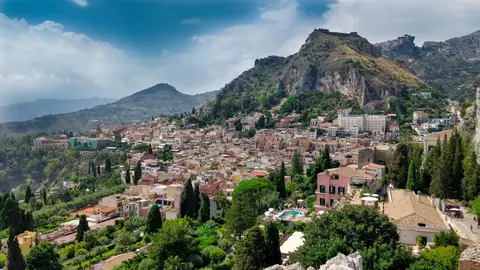
Messina guards the storied strait that separates Sicily from the Italian mainland — the passage Homer mythologised as Scylla and Charybdis — and its Norman cathedral's astronomical clock, one of the world's largest mechanical clocks, puts on a captivating automated display each noon as gilded figures enact scenes of the Resurrection. The city was catastrophically rebuilt after the 1908 earthquake, but its markets and waterfront convey the fierce energy of a Sicilian port that has witnessed two and a half millennia of Mediterranean history. Messina is the perfect gateway to Taormina, a 40-minute drive into the hills above the Ionian coast, with views of Etna at their most dramatic. Spring and autumn are ideal.
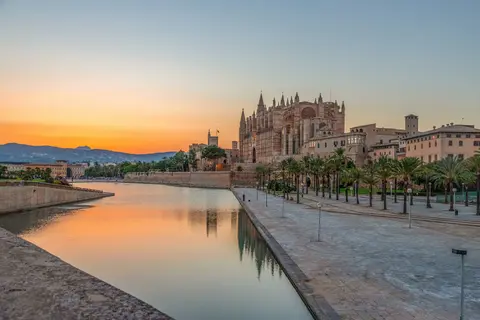
Palma de Mallorca announces itself with one of the most spectacular Gothic cathedrals in the world — La Seu, its honey-coloured sandstone buttresses rising directly from the bay, its interior modified by Antoni Gaudí and illuminated by the world's largest Gothic rose window. The old town behind it is a quarter of Arab baths, Renaissance palaces converted into boutique hotels, and the Passeig del Born — a plane-tree-shaded promenade where Balearic life conducts itself with unhurried grace. The local ensaïmada pastry and fresh sobrasada sausage from the island's black pigs are essential breakfast rituals. Visit May, June, or September: warm, brilliant, and measurably calmer than the July–August peak.
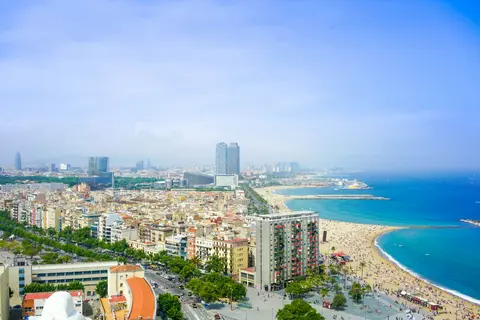
Barcelona is the city where Roman history, Gothic grandeur, and Gaudí's delirious Modernisme collide in a Mediterranean coastal capital of astonishing energy and beauty. The Sagrada Família — still under construction after 140 years — continues its audacious ascent toward completion, while the Gothic Quarter's Roman-era foundations and the Passeig de Gràcia's extraordinary concentration of Modernisme masterpieces reward days of exploration. For a complete sensory experience, lose an afternoon in the covered labyrinth of La Boqueria market before descending to the waterfront for Catalan seafood at its finest. May through June and September through October offer the most pleasant weather; the city connects directly to Paris by overnight train.
Day 1
Rome's ancient maritime gateway since the Emperor Trajan commissioned its harbour in 106 AD, Civitavecchia is the natural prologue to the Eternal City — just seventy minutes southeast by express rail. The port's Renaissance fortress, designed in part by Michelangelo, anchors a working waterfront that has welcomed travellers for millennia. Beyond Rome's unmissable monuments, consider an afternoon in the Civitavecchia thermal baths, drawing on mineral waters prized since antiquity. Spring and autumn offer the ideal balance of mild weather and manageable crowds for exploring the capital's layered history.
Day 2
Salerno is a historic Campanian port city nestled between the Amalfi Coast and Cilento National Park, home to Europe's first medieval medical school and a magnificent Romanesque cathedral with Byzantine bronze doors. Visitors should not miss the Lungomare Trieste promenade at sunset and a plate of hand-rolled scialatielli ai frutti di mare in the atmospheric old town. The mild Mediterranean climate makes Salerno enchanting year-round, though late spring through early autumn offers the most luminous light and the fullest expression of its coastal character.
Day 3
Catania is Sicily's dramatic second city, built from the black volcanic stone of Mount Etna and layered with Greek, Roman, and baroque heritage dating to 729 BC. Visitors should not miss the riotous Pescheria fish market and a tasting of authentic pasta alla Norma, followed by an excursion to the summit of Etna for views stretching to the Aeolian Islands. The best months to visit are April through June and September through October, when mild temperatures and thinner crowds allow the city's baroque streetscapes and extraordinary cuisine to be savored at a leisurely, unhurried pace.
Day 4
Valletta, Europe's smallest capital, is a fortress city of exceptional grandeur raised from bare limestone in just fifteen years after the Knights of St. John repelled the great Ottoman siege of 1565 — its rigid Renaissance grid of sun-drenched streets concealing a density of baroque palaces, gilded oratories, and subterranean World War II shelters unrivaled anywhere in the Mediterranean. The Grand Harbour, framed by golden bastions plunging into startlingly blue water, offers one of the most dramatically photogenic arrivals in the world for arriving vessels. Spring and autumn deliver the most comfortable temperatures for exploring this UNESCO-listed gem.
Day 5
Taranto, founded by Spartans in 706 BC, is Puglia's ancient maritime city straddling two seas, home to Italy's finest mussels and an extraordinary collection of Hellenistic gold jewellery at the MArTA museum. Visitors should explore the atmospheric island old town, taste cozze taratine with Primitivo di Manduria wine, and witness a city in cultural renaissance. May through October offers ideal Mediterranean conditions.
Day 6
Igoumenitsa is a gateway port on Greece's northwestern Epirus coast, facing Corfu across the Ionian strait, with a revitalized waterfront promenade and access to some of Greece's most spectacular yet least-visited landscapes. Must-do excursions include the mythological Acheron River gorge, the ancient oracle of the dead, and the stone villages of Zagori near Vikos Gorge. Visit May through October for ideal hiking conditions and luminous Mediterranean light.
Day 7
Bari, Puglia's ancient capital on the Adriatic, has served as a bridge between Western Europe and the Eastern Mediterranean for over two millennia — a heritage visible in the magnificent Basilica di San Nicola, one of medieval Christendom's most important pilgrimage churches, and in the labyrinthine Bari Vecchia where elderly women still hand-roll orecchiette in the street. The surrounding region of Puglia is among Italy's most compelling culinary destinations: burrata born in Andria, focaccia barese, and the puglian cuisine that has recently attracted international attention as Rome's and Florence's quieter, more authentic cousin. Visit April through June and September through October; the Trulli of Alberobello are forty minutes south.
Day 8
The port of Kotor, a UNESCO World Heritage site, is renowned for its stunning natural beauty and rich historical tapestry. A must-do experience includes wandering the cobblestone streets of the Old Town, where culinary delights like "kacamak" and fresh seafood await. The best time to visit is during the spring or early fall, when the weather is pleasant and the crowds are fewer.
Day 9
Dubrovnik, Croatia's stunning port city, is a blend of rich history, dramatic architecture, and vibrant culture, making it a must-visit destination. Don't miss a stroll along the city walls for breathtaking views and savor local dishes like "peka" and "black risotto." The best time to visit is in late spring or early fall when the weather is pleasant and the crowds are thinner.
Day 10
Zadar, a historic port city on Croatia's Dalmatian coast, is a captivating blend of ancient architecture and vibrant culture. Must-do experiences include visiting the Church of St. Donatus and enjoying the enchanting music of the Sea Organ. The best season to visit is during the warm summer months when the city comes alive with festivals and outdoor activities.
Day 11
Trieste, a historic port city in Italy, is renowned for its rich cultural tapestry and stunning architectural heritage. Must-do experiences include sampling local delicacies like ćevapi and sachertorte, and exploring the vibrant Mercato Coperto. The best time to visit is during the spring and early autumn, when the weather is pleasant and the city is alive with activity.
Day 12
Split, Croatia's vibrant port city, is a unique blend of ancient history and modern life, centered around the remarkable Diocletian's Palace. Must-do experiences include savoring local dishes like pašticada and exploring the bustling markets. The best time to visit is during the spring and early fall, when the weather is pleasant and the tourist crowds are more manageable.
Day 13
Bar, Montenegro's sunniest and largest seaport, commands 27 miles of Adriatic coastline where Roman ruins, Ottoman heritage, and one of Europe's oldest olive trees create a destination of remarkable historical depth. Visitors should explore the hauntingly beautiful medieval citadel of Stari Bar and savour fresh Adriatic seafood paired with local Vranac wine at a waterfront konoba. The best months to visit are May through October, when the city's legendary sunshine illuminates the turquoise coast and the surrounding mountains remain accessible for day excursions to Kotor and Durmitor National Park.
Day 14
Where Homer placed the island of the Phaeacians and four centuries of Venetian rule left their most enduring Mediterranean legacy, Corfu is a singular island of extraordinary historical depth and natural beauty. The UNESCO-listed Old Town — its narrow Kantounia alleyways, the elegant Liston arcade, and twin Venetian fortresses — is the finest preserved Venetian streetscape in Greece. Beyond the town, secret coves, olive groves of immense antiquity, and mountain villages offer weeks of unhurried discovery. May through June and September offer perfect conditions: warm sea temperatures, clear skies, and the island before or after its summer crescendo.
Day 15
Gythio is ancient Sparta's port town on the Laconian Gulf, where Homeric mythology, neoclassical waterfront charm, and the wild Mani Peninsula's tower houses and underground caves converge. Visit from April through October for Diros Cave boat tours, Cape Tenaro's mythological Underworld entrance, and waterfront dining in one of the Peloponnese's most atmospheric harbor towns.
Day 16
The port that launched Athenian democracy's naval supremacy at the Battle of Salamis, Piraeus remains Greece's maritime heartbeat — and the most convenient gateway to both the Acropolis and the Aegean island chains. Dine on grilled sea bream at a Mikrolimano harbourside taverna, visit the extraordinary bronze Piraeus Apollo, and set sail for Hydra or Santorini by afternoon. Late April through June and September offer the Aegean at its most golden and uncrowded.
Day 17
Katakolon is the unassuming port that holds an extraordinary secret: just fourteen kilometres inland lies ancient Olympia, birthplace of the Olympic Games and one of the most sacred sites in the ancient world. The Archaeological Museum of Olympia — housing the breathtaking sculptures from the Temple of Zeus — ranks among Greece's finest, while walking the original stadium still sends a current of wonder through even the most seasoned traveller. The village itself charms with whitewashed tavernas and a relaxed pace that feels authentically Greek. Katakolon is best visited April through October; late spring and early autumn offer ideal temperatures for the Olympia excursion.
Day 18
Messina guards the storied strait that separates Sicily from the Italian mainland — the passage Homer mythologised as Scylla and Charybdis — and its Norman cathedral's astronomical clock, one of the world's largest mechanical clocks, puts on a captivating automated display each noon as gilded figures enact scenes of the Resurrection. The city was catastrophically rebuilt after the 1908 earthquake, but its markets and waterfront convey the fierce energy of a Sicilian port that has witnessed two and a half millennia of Mediterranean history. Messina is the perfect gateway to Taormina, a 40-minute drive into the hills above the Ionian coast, with views of Etna at their most dramatic. Spring and autumn are ideal.
Day 19
Day 20
Palma de Mallorca announces itself with one of the most spectacular Gothic cathedrals in the world — La Seu, its honey-coloured sandstone buttresses rising directly from the bay, its interior modified by Antoni Gaudí and illuminated by the world's largest Gothic rose window. The old town behind it is a quarter of Arab baths, Renaissance palaces converted into boutique hotels, and the Passeig del Born — a plane-tree-shaded promenade where Balearic life conducts itself with unhurried grace. The local ensaïmada pastry and fresh sobrasada sausage from the island's black pigs are essential breakfast rituals. Visit May, June, or September: warm, brilliant, and measurably calmer than the July–August peak.
Day 21
Barcelona is the city where Roman history, Gothic grandeur, and Gaudí's delirious Modernisme collide in a Mediterranean coastal capital of astonishing energy and beauty. The Sagrada Família — still under construction after 140 years — continues its audacious ascent toward completion, while the Gothic Quarter's Roman-era foundations and the Passeig de Gràcia's extraordinary concentration of Modernisme masterpieces reward days of exploration. For a complete sensory experience, lose an afternoon in the covered labyrinth of La Boqueria market before descending to the waterfront for Catalan seafood at its finest. May through June and September through October offer the most pleasant weather; the city connects directly to Paris by overnight train.
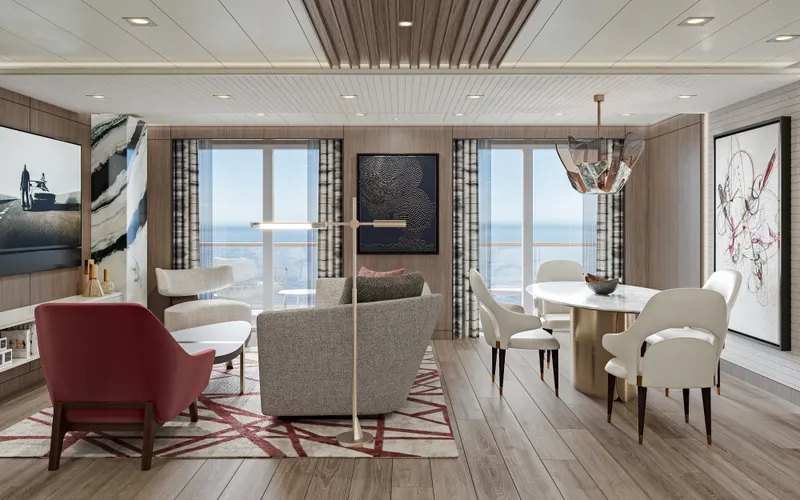
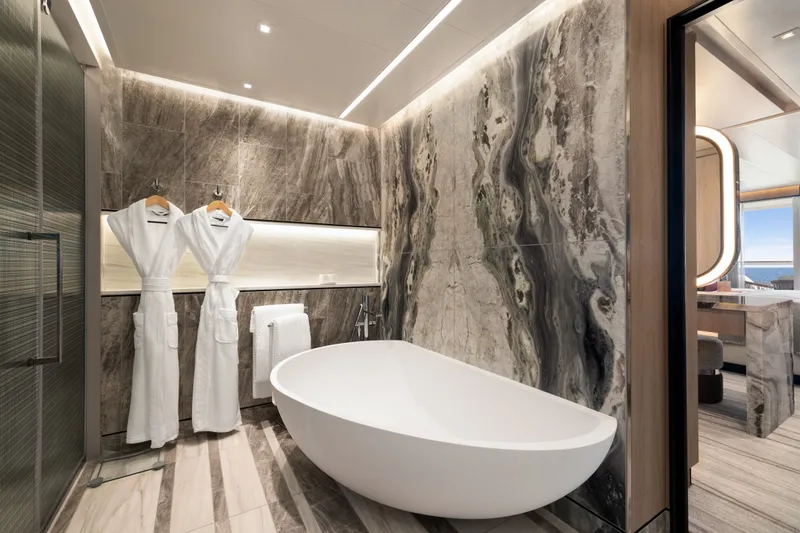

Complimentary laundry service - up to 3 bags per stateroom (some restrictions apply)
Priority Noon ship embarkation with priority luggage delivery
Exclusive card-only access to private Executive Lounge staffed by a dedicated Concierge featuring complimentary soft drinks, coffees and snacks throughout the day
24-hour Butler service
Complimentary in-suite bar setup with 6 full-size bottles of premium spirits and wines from our suite beverage menu
Complimentary welcome bottle of Champagne
Fresh fruit basket replenished daily
Priority online specialty restaurant reservations
Unlimited access to Aquamar Spa Terrace
iPad upon request for your enjoyment on board
Optional private in-suite embarkation day lunch from noon to 2 pm in Owner’s Suites
Customized entertainment system
Bulgari gift set and variety of amenities
Choice of daily printed newspaper
Complimentary Oceania Cruises logo tote bag and personalized stationery
Cashmere lap blankets
Choice of pillow from a luxurious selection
Complimentary shoe shine service
Complimentary pressing of garments upon embarkation (certain limitations apply)
Smoking in suites, staterooms and on verandas is strictly prohibited
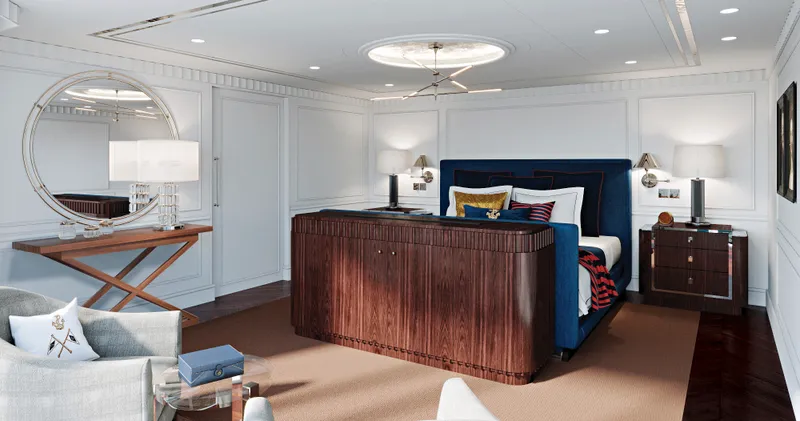
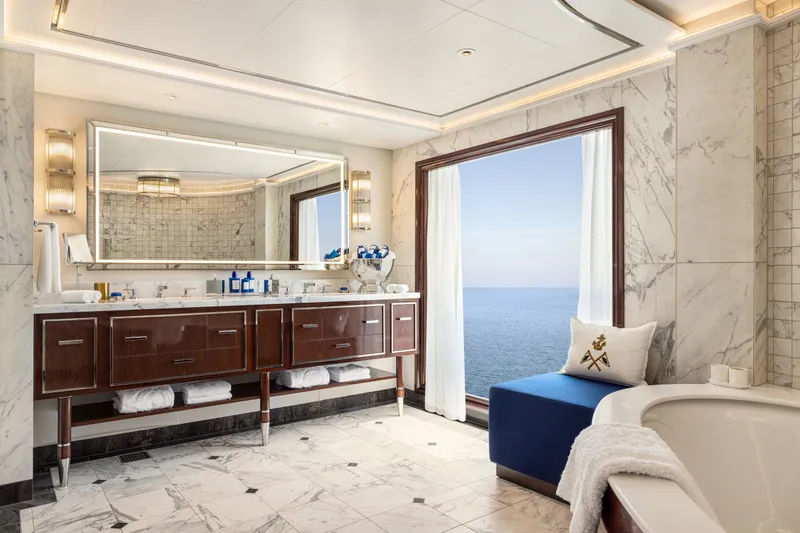
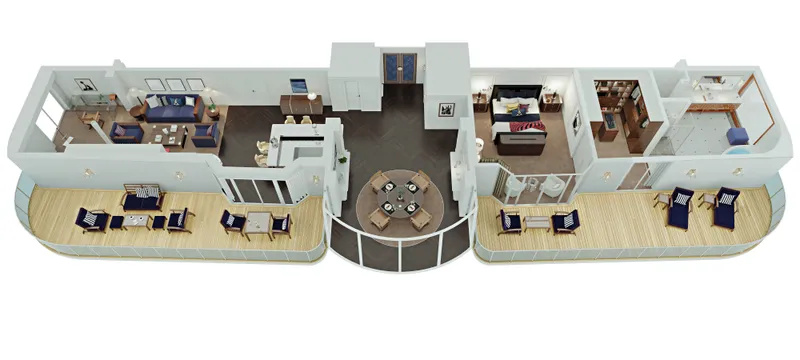
Complimentary laundry service - up to 3 bags per stateroom (some restrictions apply)
Priority Noon ship embarkation with priority luggage delivery
Exclusive card-only access to private Executive Lounge staffed by a dedicated Concierge featuring complimentary soft drinks, coffees and snacks throughout the day
24-hour Butler service
Complimentary in-suite bar setup with 6 full-size bottles of premium spirits and wines from our suite beverage menu
Complimentary welcome bottle of Champagne
Fresh fruit basket replenished daily
Priority online specialty restaurant reservations
Unlimited access to Aquamar Spa Terrace
iPad upon request for your enjoyment on board
Optional private in-suite embarkation day lunch from noon to 2 pm in Owner’s Suites
Customized entertainment system
Bulgari gift set and variety of amenities
Choice of daily printed newspaper
Complimentary Oceania Cruises logo tote bag and personalized stationery
Cashmere lap blankets
Choice of pillow from a luxurious selection
Complimentary shoe shine service
Complimentary pressing of garments upon embarkation (certain limitations apply)
Smoking in suites, staterooms and on verandas is strictly prohibited
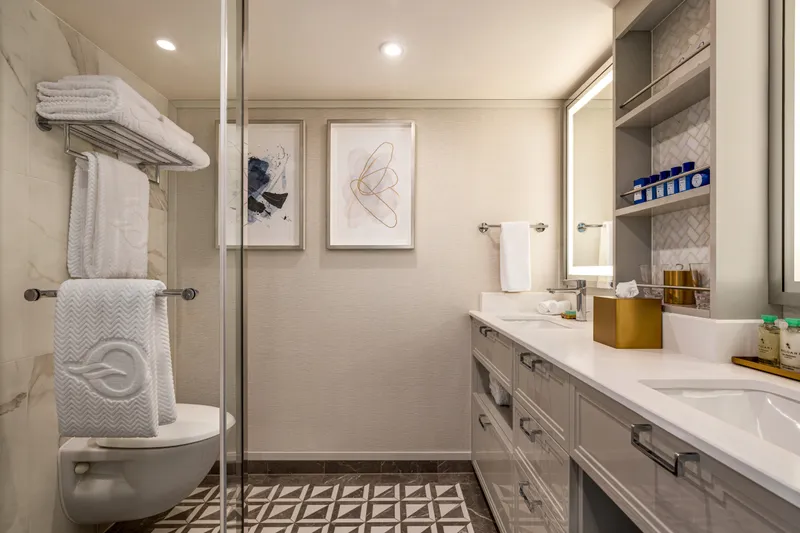
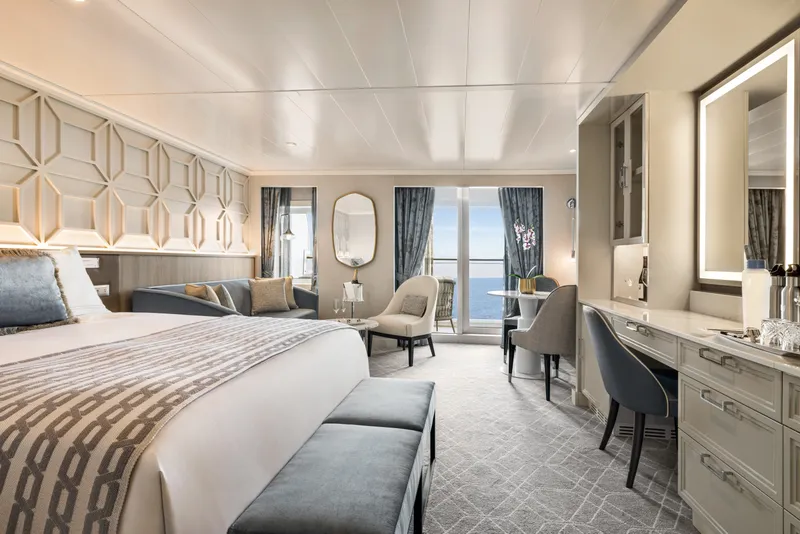
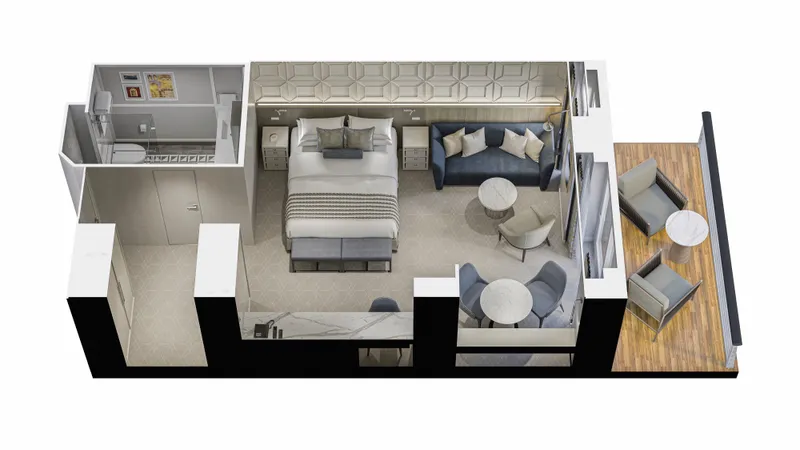
In addition to Stateroom Amenities:
Complimentary laundry service – up to 3 bags per stateroom (certain limitations apply)
Priority 11 am ship embarkation with priority luggage delivery
Exclusive card-only access to private Executive Lounge staffed by a dedicated Concierge featuring complimentary soft drinks, coffees and snacks throughout the day
24-hour Butler service
Complimentary welcome bottle of Champagne
Priority online specialty restaurant reservations
Unlimited access to Aquamar Spa Terrace
iPad upon request for your enjoyment on board
Cashmere lap blankets
Complimentary shoeshine service
Complimentary pressing of garments upon embarkation (certain limitations apply)
Smoking in suites, staterooms and on verandas is strictly prohibited
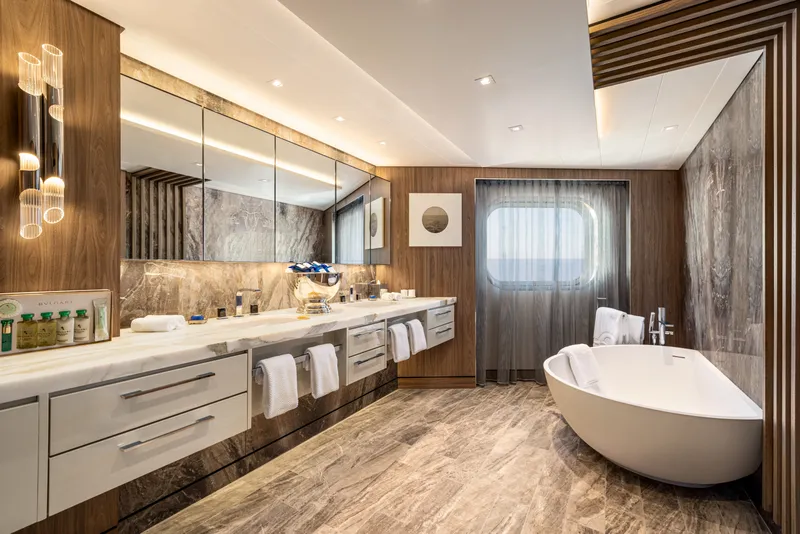
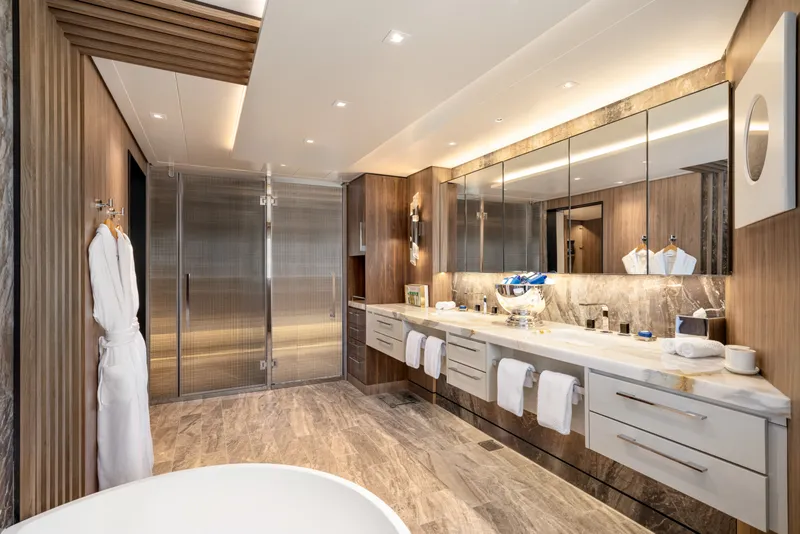
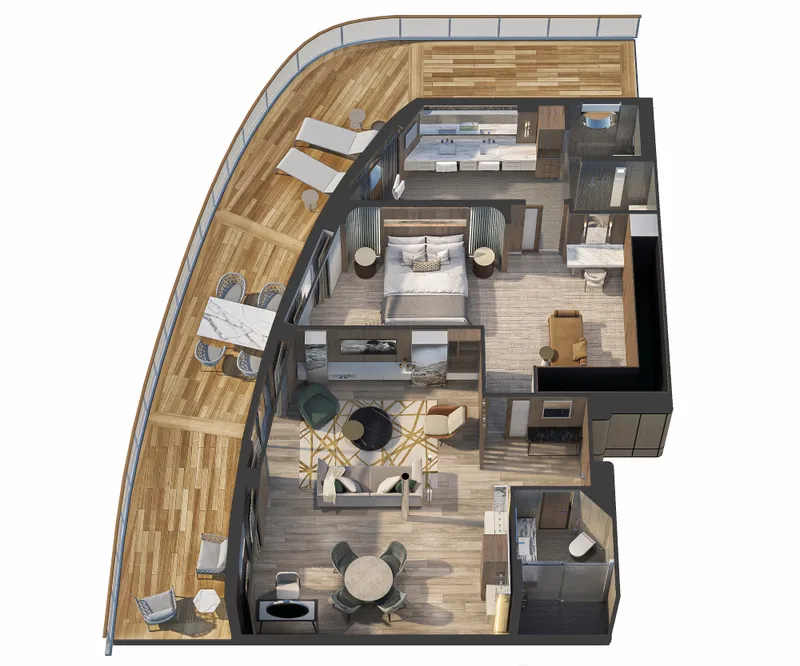
Complimentary laundry service - up to 3 bags per stateroom (some restrictions apply)
Priority Noon ship embarkation with priority luggage delivery
Exclusive card-only access to private Executive Lounge staffed by a dedicated Concierge featuring complimentary soft drinks, coffees and snacks throughout the day
24-hour Butler service
Complimentary in-suite bar setup with 6 full-size bottles of premium spirits and wines from our suite beverage menu
Complimentary welcome bottle of Champagne
Fresh fruit basket replenished daily
Priority online specialty restaurant reservations
Unlimited access to Aquamar Spa Terrace
iPad upon request for your enjoyment on board
Optional private in-suite embarkation day lunch from noon to 2 pm in Owner’s Suites
Customized entertainment system
Bulgari gift set and variety of amenities
Choice of daily printed newspaper
Complimentary Oceania Cruises logo tote bag and personalized stationery
Cashmere lap blankets
Choice of pillow from a luxurious selection
Complimentary shoe shine service
Complimentary pressing of garments upon embarkation (certain limitations apply)
Smoking in suites, staterooms and on verandas is strictly prohibited
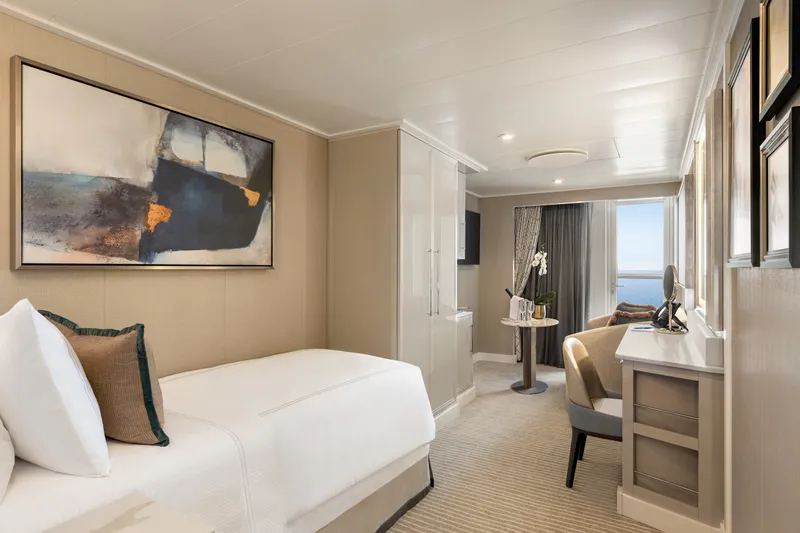
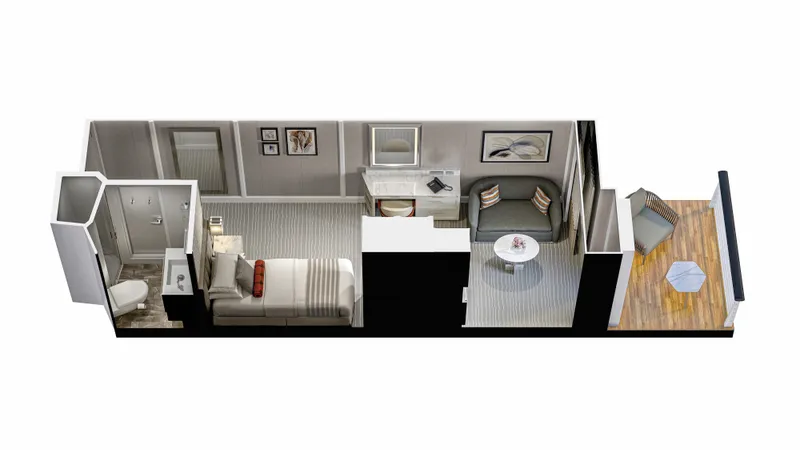
Concierge Level Solo Veranda
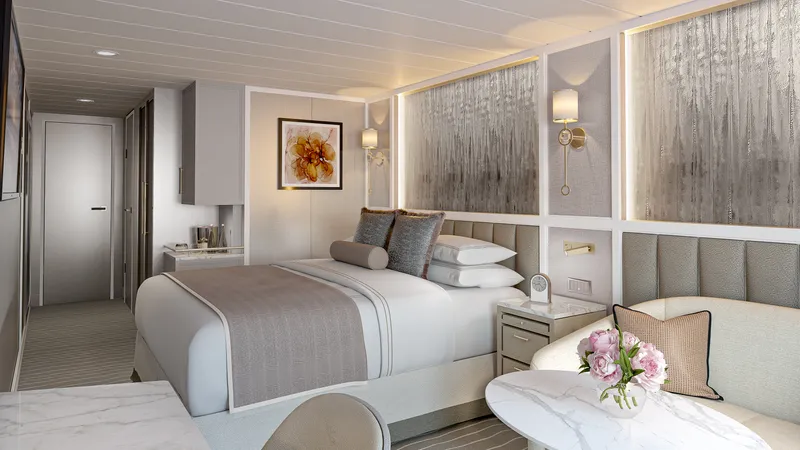
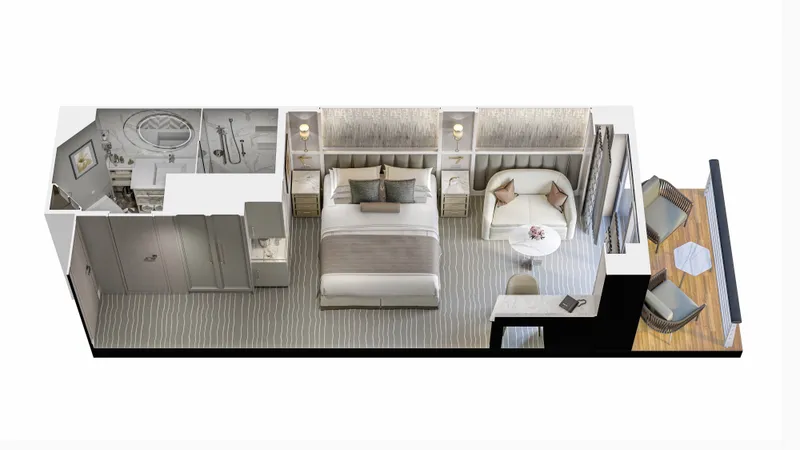
In addition to Stateroom Amenities:
Expanded lunch and dinner room service menu from The Grand Dining Room
Complimentary laundry service – up to 3 bags per stateroom (certain limitations apply)
Priority noon ship embarkation
Exclusive card-only access to private Concierge Lounge staffed by a dedicated Concierge featuring complimentary soft drinks, coffees and snacks throughout the day
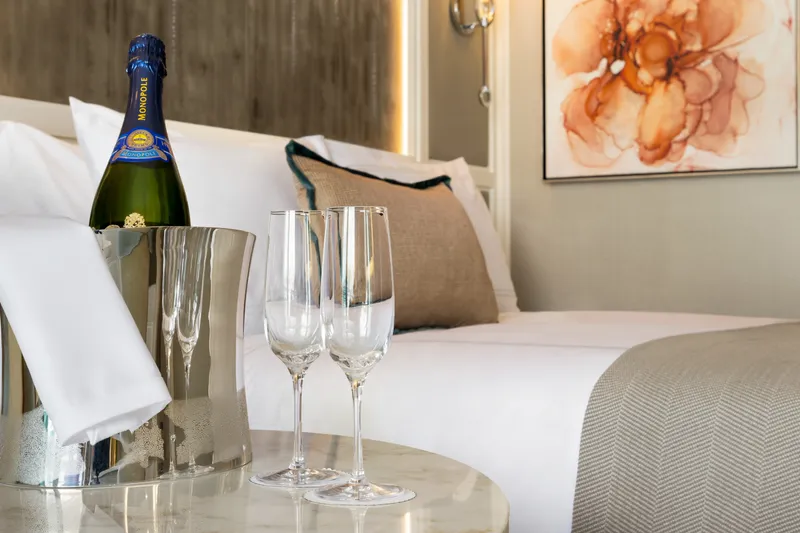
Complimentary welcome bottle of Champagne
Priority online specialty restaurant reservations
Unlimited access to the Aquamar Spa Terrace
iPad upon request for your enjoyment on board (certain limitations apply)
Complimentary Oceania Cruises logo tote bag
Cashmere lap blankets, perfect for relaxing on your veranda
Complimentary pressing of garmets upon embarkation (certain limitations apply)
Complimentary shoeshine service
Smoking in suites, staterooms and on verandas is strictly prohibited
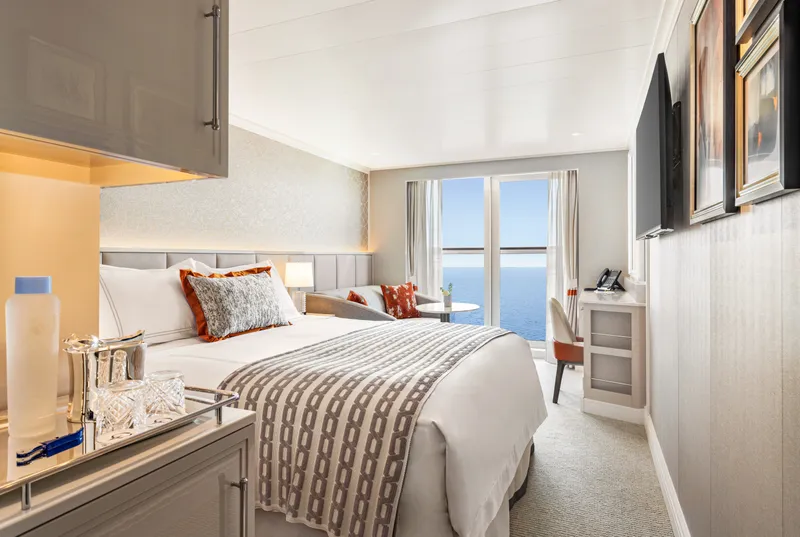
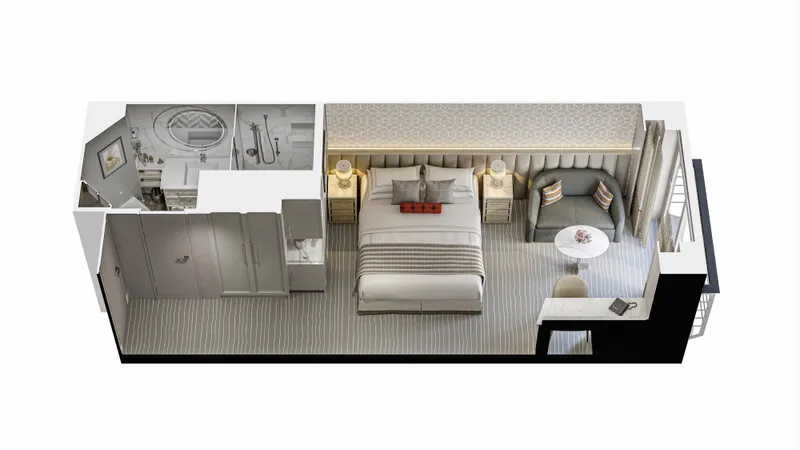
Tranquility Bed, an Oceania Cruises exclusive, with 1,000-thread-count linens
Complimentary soft drinks replenished daily in your refrigerated mini-bar
Complimentary still & sparkling Vero Water
Private teak veranda
Bulgari amenities
Room service menu 24 hours a day
Twice-daily maid service
Oversized rainforest shower
Belgian chocolates with turndown service
Interactive television system with on-demand movies, weather and more
Wireless Internet access and cellular service
Writing desk and stationery
Plush cotton towels
Thick cotton robes and slippers
Handheld hair dryer
Security safe
Smoking in suites, staterooms and on verandas is strictly prohibited
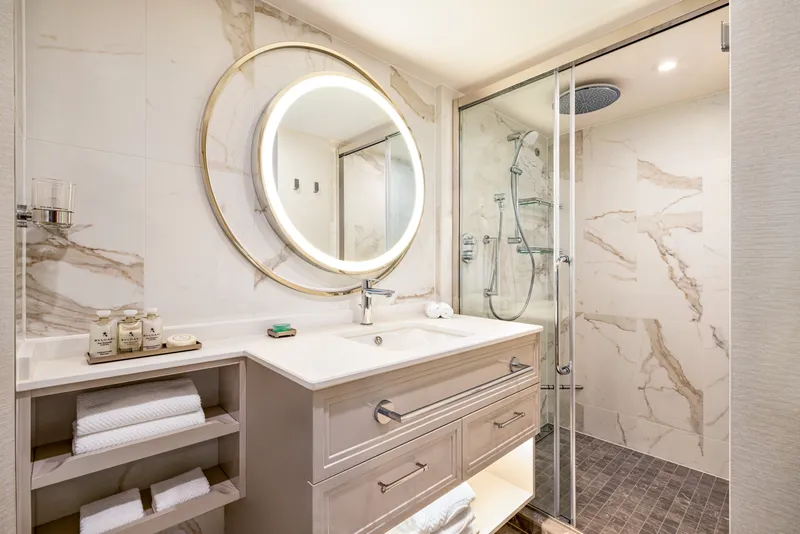
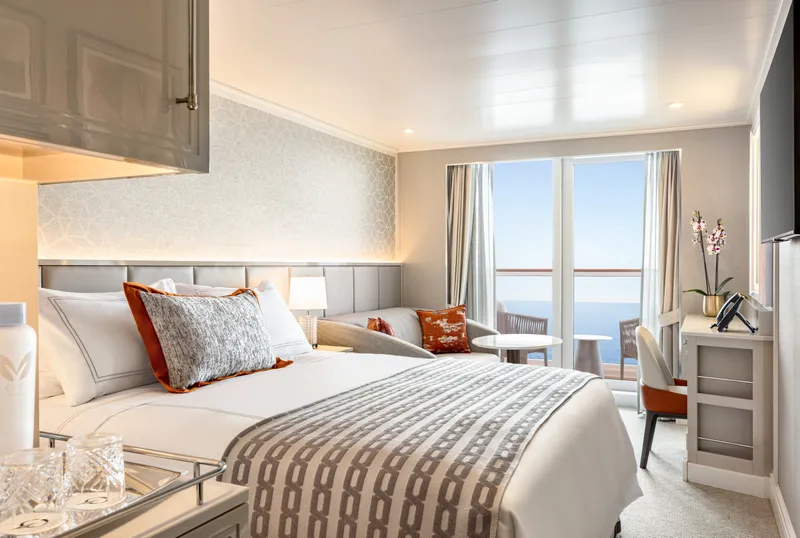
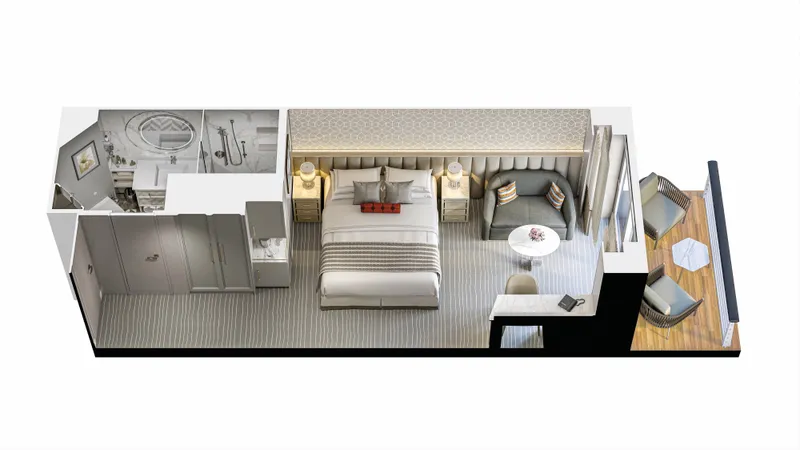
Tranquility Bed, an Oceania Cruises exclusive, with 1,000-thread-count linens
Complimentary soft drinks replenished daily in your refrigerated mini-bar
Complimentary still & sparkling Vero Water
Private teak veranda
Bulgari amenities
Room service menu 24 hours a day
Twice-daily maid service
Oversized rainforest shower
Belgian chocolates with turndown service
Interactive television system with on-demand movies, weather and more
Wireless Internet access and cellular service
Writing desk and stationery
Plush cotton towels
Thick cotton robes and slippers
Handheld hair dryer
Security safe
Smoking in suites, staterooms and on verandas is strictly prohibited
Our cruise specialists can help you find the perfect cabin and the best available pricing.
(+886) 02-2721-7300Contact Advisor