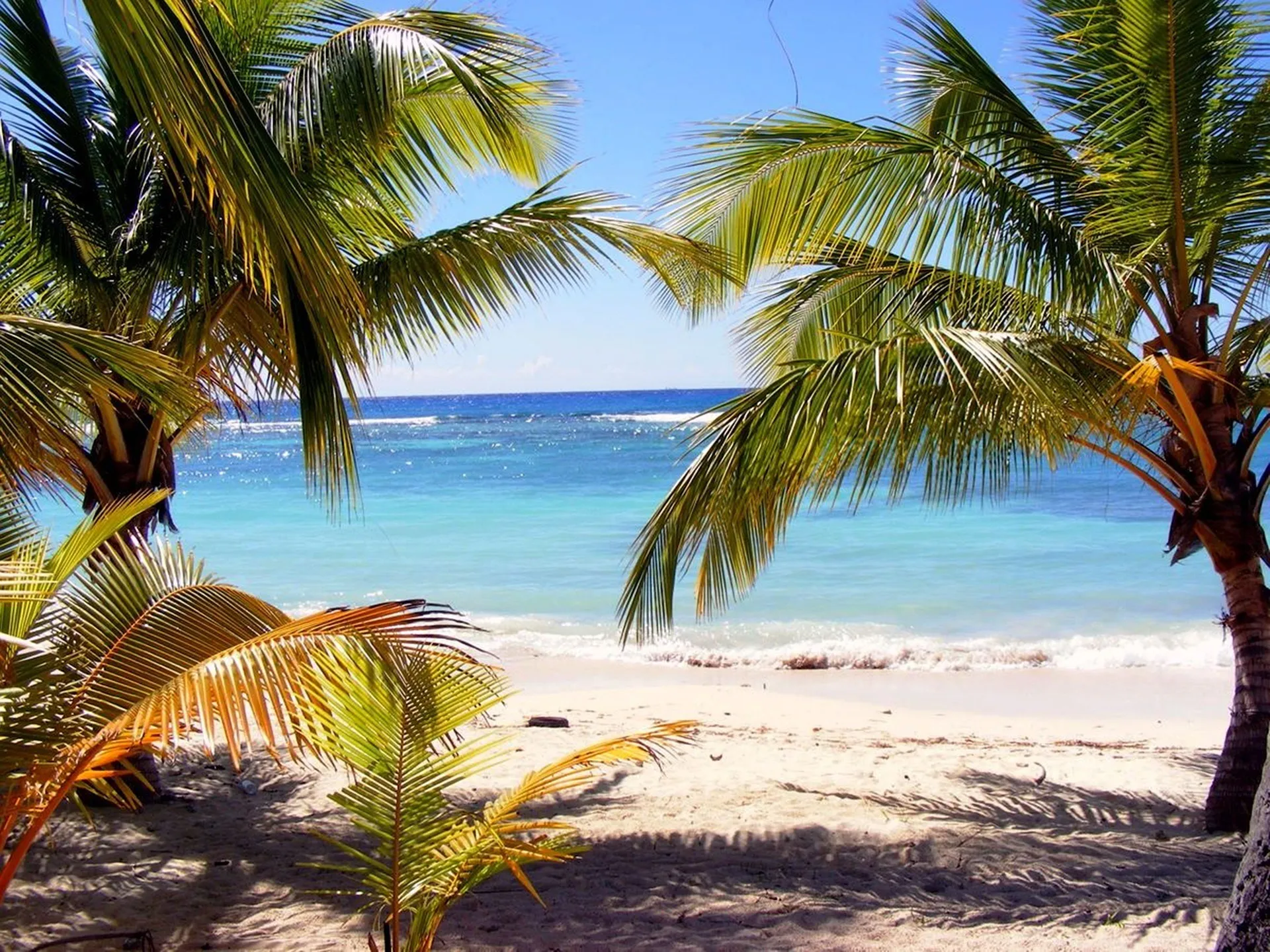
On the northwestern tip of Dominica — the wild, mountainous Caribbean island that calls itself the "Nature Isle" — the Cabrits National Park occupies a dramatic volcanic headland where the ruins of an eighteenth-century British garrison stand amid lush tropical forest, overlooking the cruise ship berth at Prince Rupert Bay. This is Dominica distilled: history and nature intertwined so completely that it becomes impossible to separate human story from ecological wonder.
Fort Shirley, the principal structure within the Cabrits, was built by the British between 1770 and 1815 as part of the Caribbean's strategic military infrastructure. The garrison, which housed up to six hundred soldiers at its peak, controlled access to Prince Rupert Bay and the channel between Dominica and Guadeloupe. Partially restored, the fort's stone magazines, barracks, and officers' quarters rise from the tropical forest that has claimed the site since its abandonment in 1854 — trees grow through roofless buildings, lianas drape across stone walls, and the overall effect is of a military installation slowly surrendering to the same volcanic island it was built to defend.
The Cabrits headland is actually two hills — twin volcanic domes connected by a marsh that supports one of the Caribbean's healthiest mangrove ecosystems. Walking trails loop through the dry tropical forest covering the hills, providing encounters with Dominica's remarkable biodiversity: the Jaco parrot (the national bird, found only on Dominica), hummingbirds, agoutis, and a dizzying variety of tropical butterflies. The coral reefs immediately offshore are in excellent condition, with snorkelling revealing brain corals, sea fans, and tropical fish in waters protected from the prevailing swells by the headland itself.
Dominica's culinary identity is shaped by its volcanic abundance. The "Mountain Chicken" — actually the giant diadema frog, now critically endangered and no longer hunted — was once the national dish, but today's Dominican table celebrates the island's extraordinary produce: plantains, dasheen, breadfruit, christophene, and the tropical fruits that grow with abandon in the volcanic soil. Fresh fish — mahimahi, tuna, and flying fish — appears grilled or in hearty Creole preparations. The island's rivers produce some of the purest water in the Caribbean, and local juices — passionfruit, guava, soursop, and grapefruit — are exceptional.
Cabrits cruise port at Prince Rupert Bay is Dominica's primary cruise terminal, with the national park entrance just steps from the berth. The town of Portsmouth, Dominica's second city, is adjacent, offering the Indian River boat tour through a mangrove-lined waterway that served as a location for the Pirates of the Caribbean films. The best visiting season is January through May, the dry season, though Dominica's mountainous terrain means that some rain is possible year-round. Dominica offers a Caribbean experience fundamentally different from the beach-resort islands — raw, green, volcanic, and profoundly authentic.