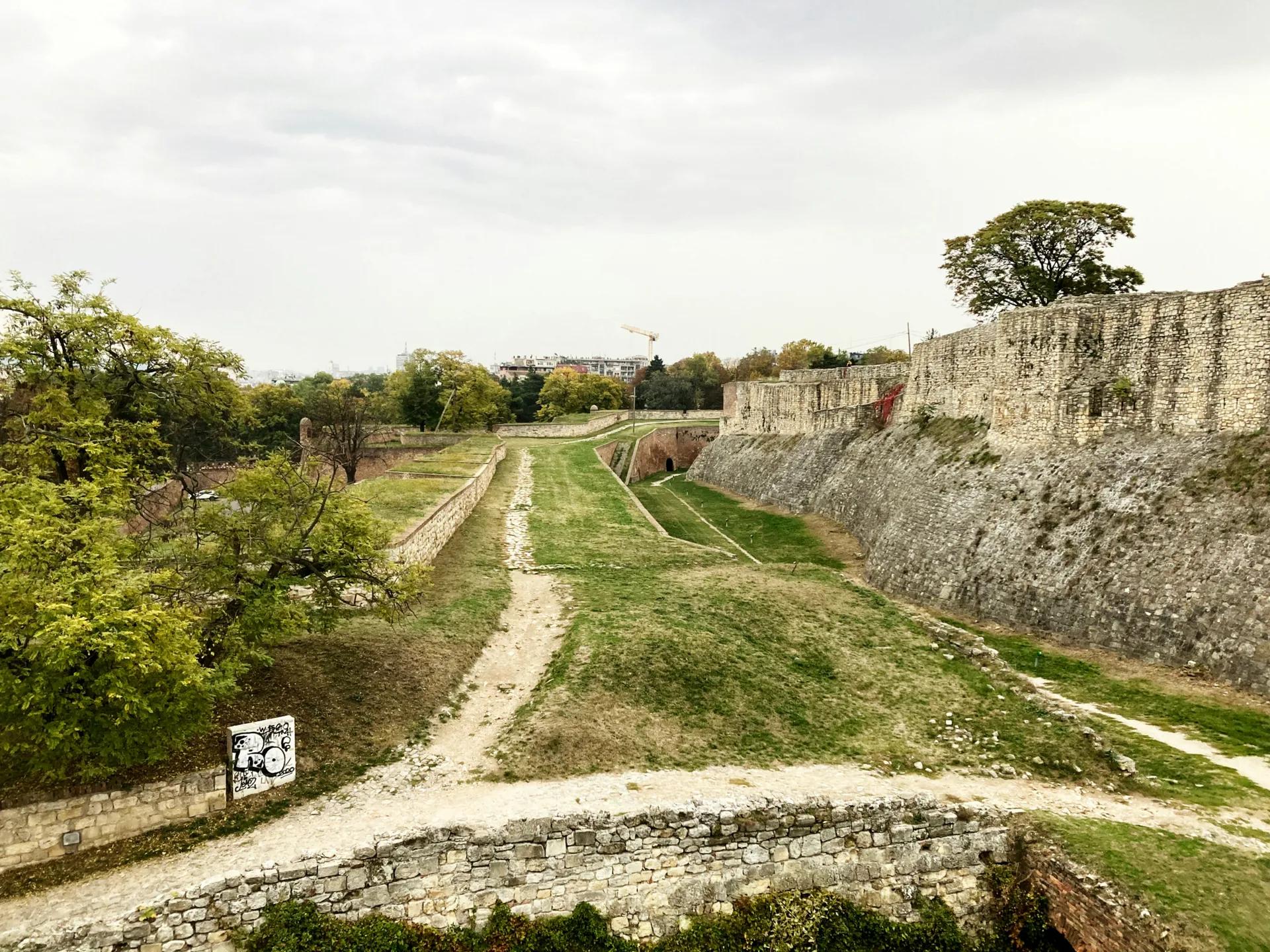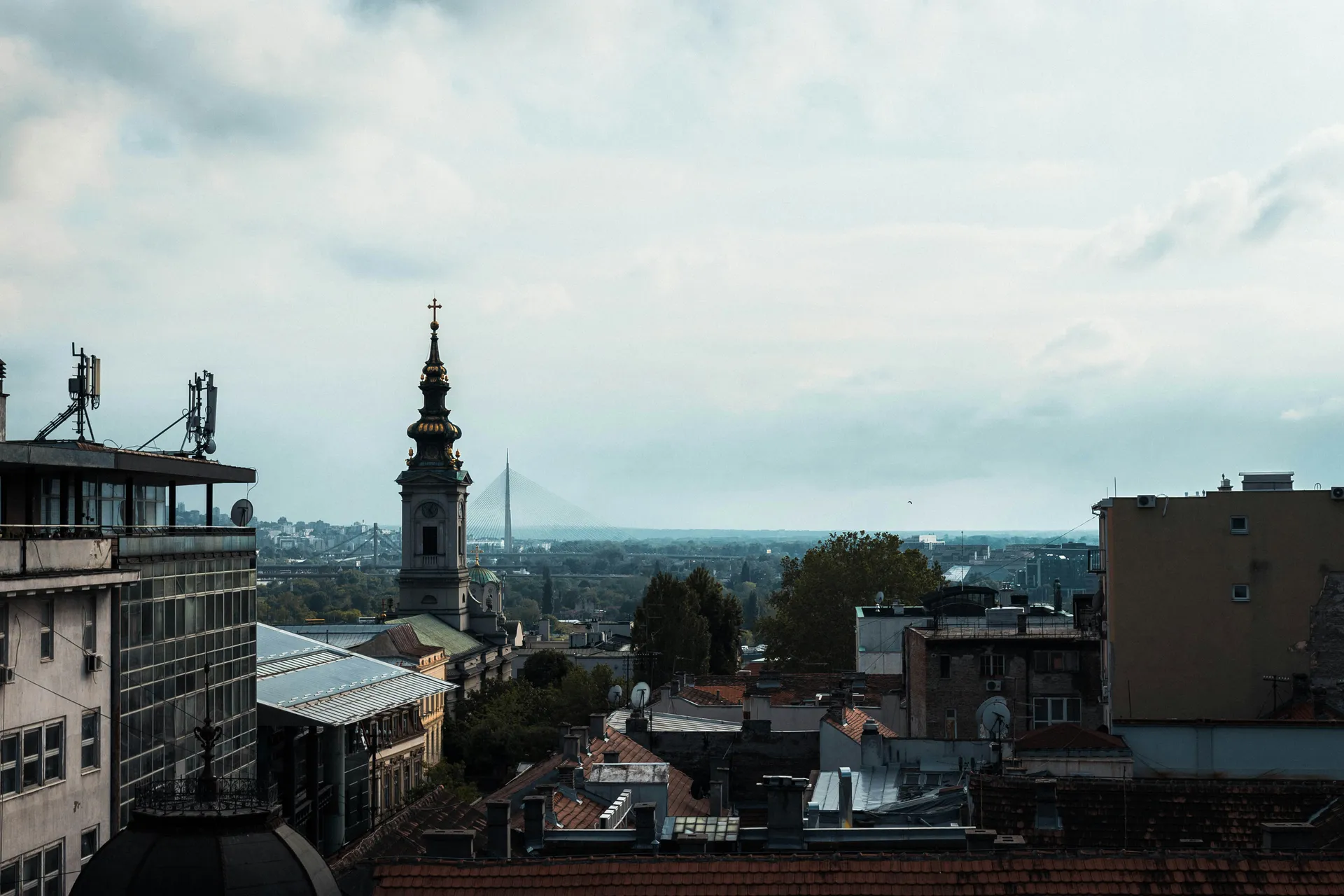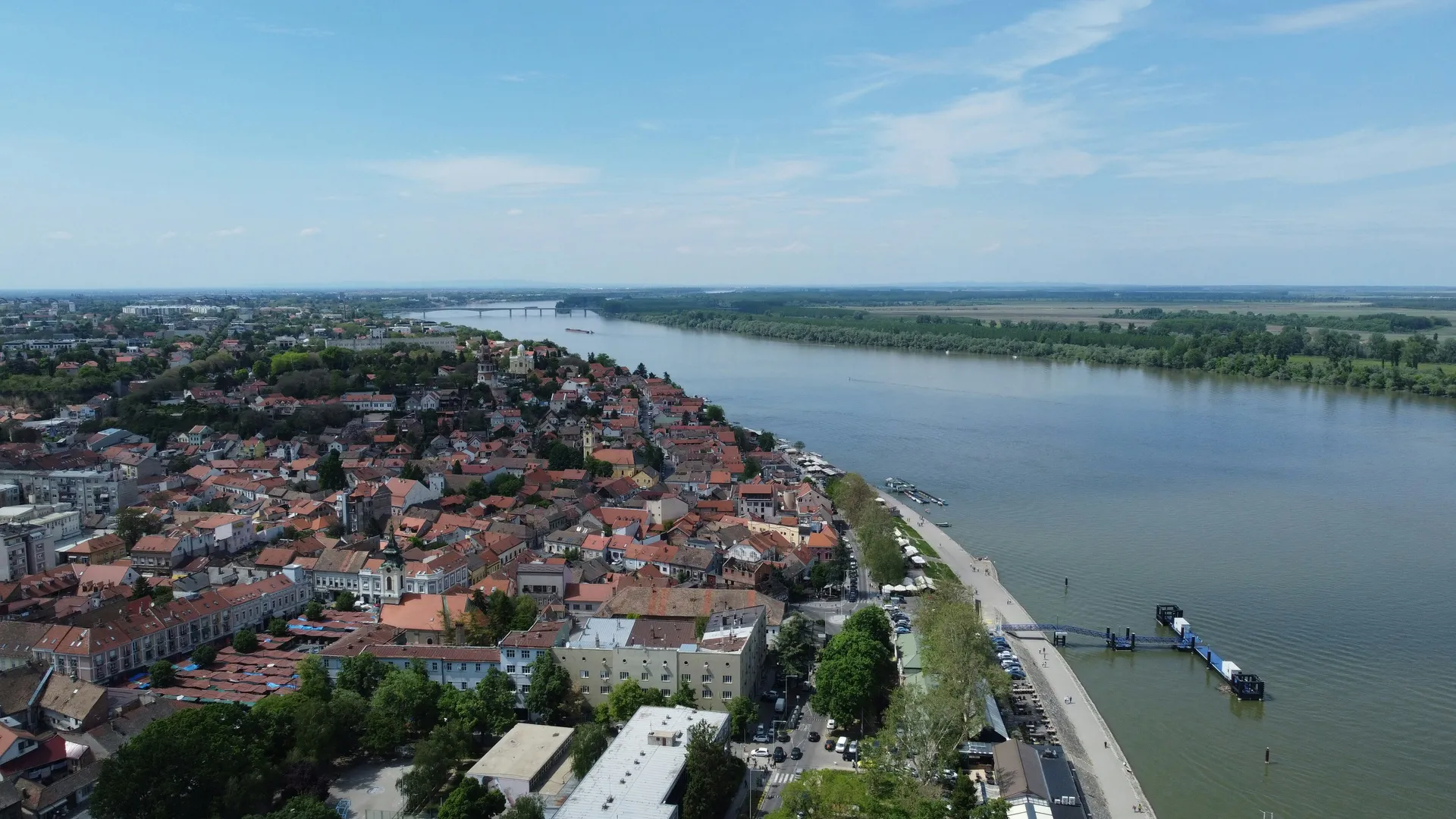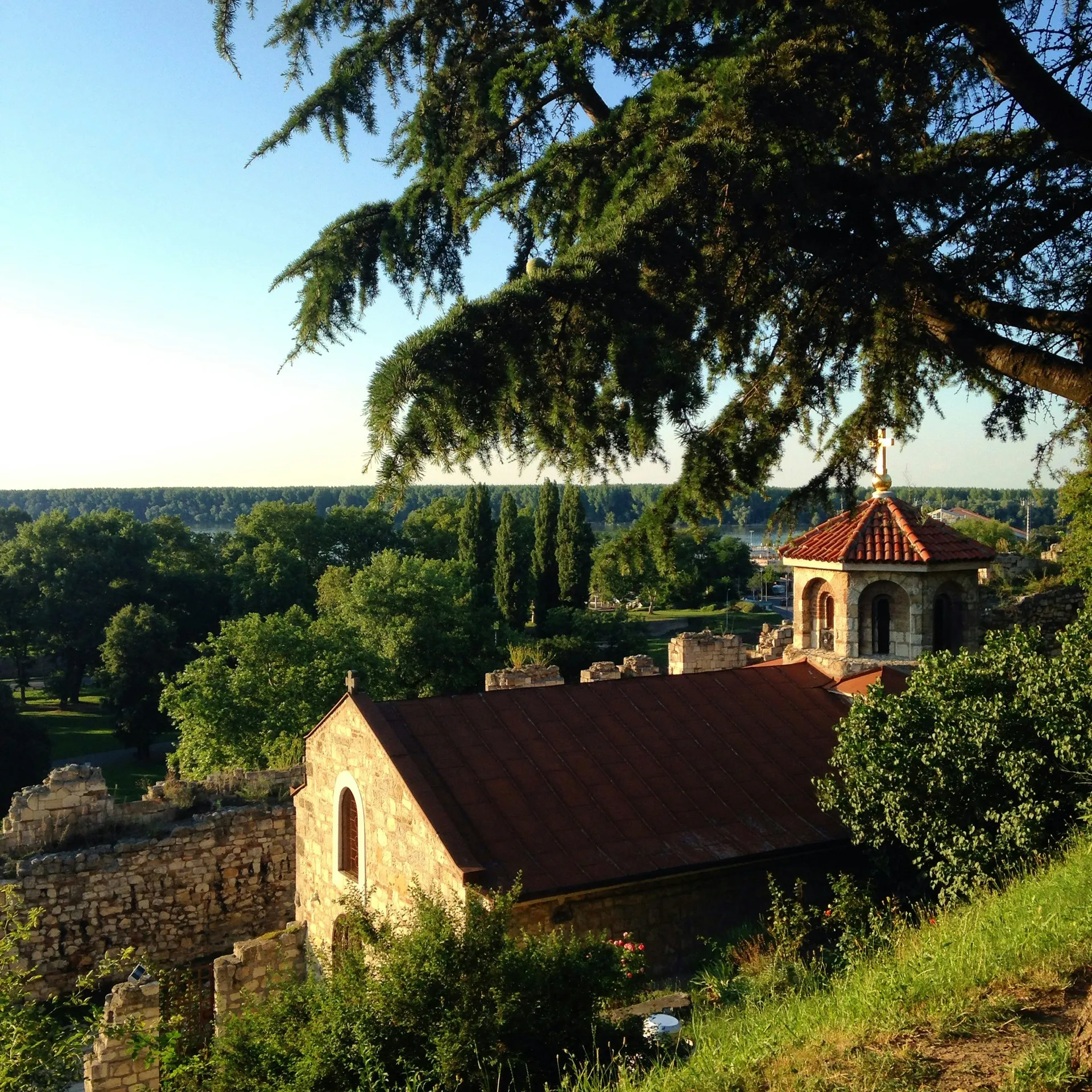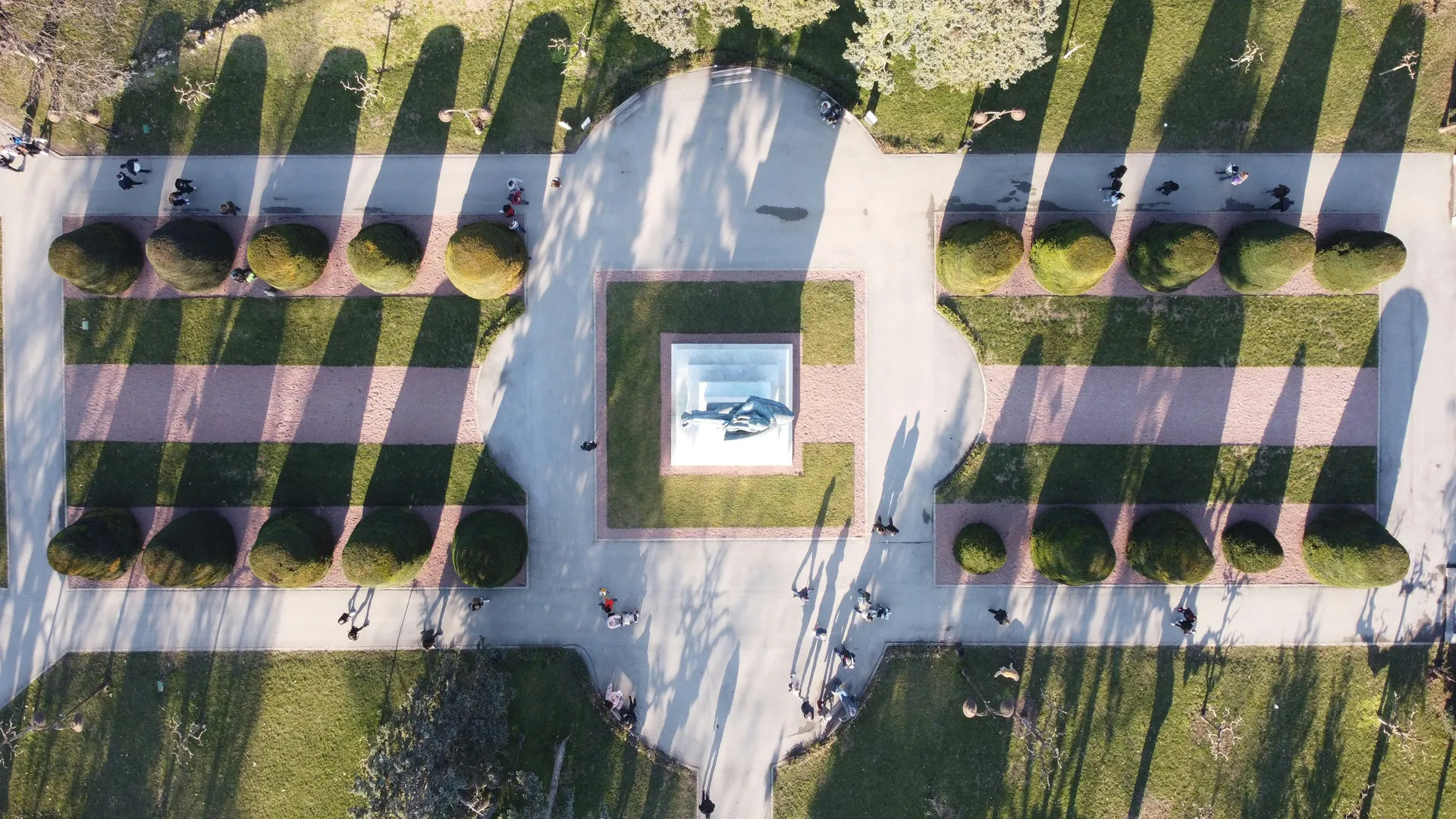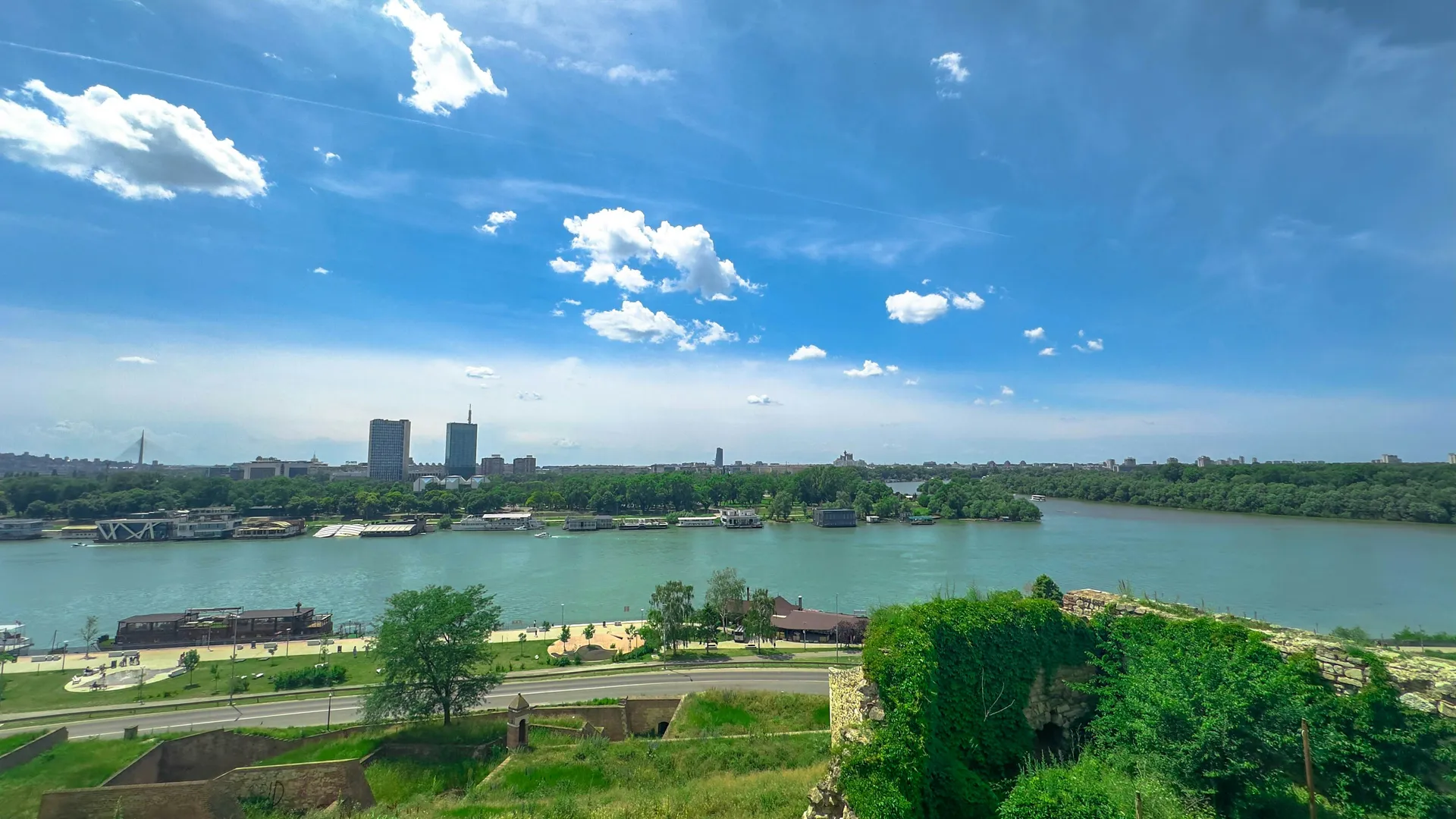
Belgrade, the "White City," has been destroyed and rebuilt more times than perhaps any other capital in Europe — at least forty times by some counts — a consequence of its position at the confluence of the Danube and Sava rivers, one of the most strategically coveted crossroads on the continent. Celtic tribes settled here in the third century BC; the Romans built the fortress of Singidunum; and over the following two millennia, Huns, Goths, Byzantines, Bulgars, Hungarians, Ottomans, and Habsburgs all fought for control of this stubborn, indestructible city. The massive Kalemegdan Fortress, which dominates the promontory above the river junction, has been continuously fortified for over two thousand years.
Today's Belgrade surprises visitors with its raw, uncurated vitality. The Skadarlija quarter, Belgrade's bohemian heart since the 1870s, is a cobblestoned lane of live-music restaurants where Romani bands play traditional sevdalinka ballads and tables groan under the weight of grilled meats and flowing rakija. Knez Mihailova, the main pedestrian boulevard, links the fortress to the Republic Square in an elegant promenade of Art Nouveau and neoclassical facades. The Savamala district, a former industrial waterfront, has been transformed into a creative quarter of galleries, design studios, and some of the most inventive nightclubs in Europe — Belgrade's legendary nightlife revolves around the splavovi, floating river clubs anchored along the Sava that pulse until dawn.
Serbian cuisine is a carnivore's paradise rooted in Ottoman, Hungarian, and Balkan traditions. Ćevapi — small, hand-formed sausages of minced beef and lamb, grilled over charcoal and served in a lepinja flatbread with kajmak (a rich clotted cream) and chopped onions — is the national street food, best experienced at legendary establishments like Zlatni Bokal. Pljeskavica, the Serbian hamburger, is a spiced meat patty often stuffed with cheese and larger than its bun. Sarma — cabbage rolls stuffed with minced meat and rice — is a winter staple. For dessert, seek out knedle, plum dumplings rolled in toasted breadcrumbs, or a slice of torta od oraha, a layered walnut cake.
Excursions from Belgrade reveal Serbia's surprising diversity. The Fruška Gora mountain range, just an hour north, shelters seventeen medieval Serbian Orthodox monasteries adorned with Byzantine frescoes amid forested hills and Vojvodina vineyards. Novi Sad, Serbia's second city and European Capital of Culture 2022, is ninety minutes northwest, its Petrovaradin Fortress hosting the famous EXIT music festival each July. The ancient Roman site of Viminacium, with its reconstructed aqueducts and mammoth skeleton museum, is an hour southeast. The Iron Gates gorge, where the Danube narrows between towering cliffs downstream, is one of Europe's most dramatic natural landscapes.
Belgrade is a highlight on Danube river cruise itineraries. AmaWaterways, Scenic River Cruises, and Uniworld River Cruises offer elegant vessels with cultural immersion programs. Viking and Avalon Waterways provide large-fleet consistency. Emerald Cruises, Riviera Travel, APT Cruising, Tauck, and CroisiEurope deliver premium experiences, while A-ROSA, VIVA Cruises, and Saga River Cruises ensure additional variety. The Danube cruising season runs April through October, with late spring and early autumn offering the most comfortable temperatures and the most atmospheric light for photographing Belgrade's fortress and river confluence.